Parler
 Gab
Gab Copy
Copy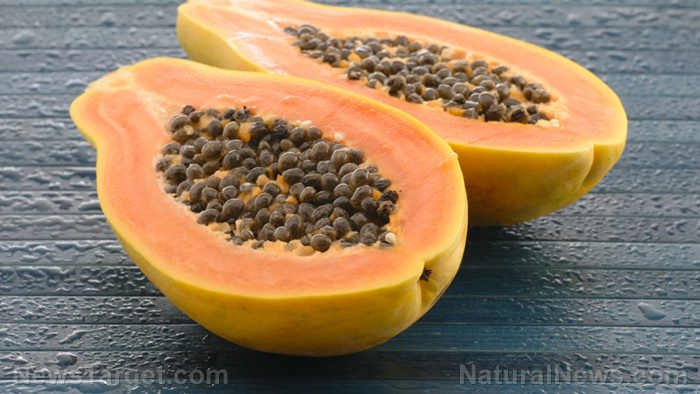
When you get a minor burn, run cool, not cold, water over the area. Do this for about 20 minutes before washing the burn site with mild soap and water.
Refrain from soaking the wound in ice water. While immediately immersing the wound in ice water can yield benefits, including a less extensive, not-as-deep burn, if you wait more than 15 seconds the ice water will yield no benefits and can worsen the damage due to the potential for frostbite injury.[i]
2. HoneyIn minor burns, pour tap water immediately on the burn site to reduce the temperature.[ii] Apply honey afterward. Depending on the area, 15 to 30 milliliters (ml) of honey can be used directly on the wound or applied via a honey-soaked gauze.
Honey is effective for preventing burn-related infections. In a study, honey dressing was compared with boiled potato peel dressings as a cover for fresh partial-thickness burns in 50 subjects.[iii] In those treated with honey, 90% of wounds were rendered sterile in seven days.
In more severe second-degree burns, topically applied honey prevented secondary infection, decreased healing time and reduced scarring.[iv] This was compared to topically administered pharmaceutical anti-infection cream.
Several different studies on animal models confirm honey's ability to heal burn-associated wounds in multiple ways.[v],[vi] For instance, honey has antibacterial and anti-inflammatory properties along with low pH, high viscosity and hydrogen peroxide content, all contributing to its overall effectiveness against burns.[vii]
3. Aloe VeraOften referred to as "the burn plant," aloe vera is useful for addressing first- to second-degree burns.[viii] In a study on animal subjects, the researchers wrote, "Aloe vera could exhibit the actions of both anti-inflammation and wound healing promotion when applied on a second degree burn wound."[ix]
A 2016 study evaluated 50 patients who had second-degree burns over 20% of their bodies.[x] Half of the patients were treated with a topical disinfectant while the others received dressings containing medicinal plants, primarily aloe vera. Those who were treated with aloe healed faster and had a shorter hospital stay.
Fermenting aloe vera may also significantly accelerate burn injury healing as it reduces the severity of inflammation and modifies gut microbiota.[xi]
4. CoconutCoconut is known to have powerful antibacterial and antifungal properties, thanks in large part to its lauric acid content.[xii] In a study, researchers inflicted partial thickness burn wounds on animal models and assigned them into coconut, standard silver sulphadiazine and control groups.[xiii]
They found significant improvement in the contraction of burn wounds in the group treated with a combination of coconut and silver sulphadiazine. They concluded that the "oil of Cocos nucifera [coconut] is an effective burn wound healing agent."
5. CurcuminCurcumin, a compound found in the spice turmeric, offers anti-inflammatory as well as antioxidant effects.[xiv]
In animal studies, curcumin proved effective in reducing burn and injury progression in the subjects.[xv],[xvi] In comparison, the drug deferoxamine did not reduce burn progression, while the beneficial effects of curcumin appeared to be bimodal or having more than one mechanism of action. Along with St. John's wort, curcumin also showed favorable results in healing second-degree burn wounds.[xvii]
6. Vitamin CThe antioxidant power of vitamin C, or ascorbic acid, and its role in collagen synthesis make it a vital molecule for skin health.[xviii] In fact, vitamin C deficiency is characterized by fragile skin and impaired wound healing.[xix] In a review, the use of antioxidant nutrients such as vitamin C lent health benefits to burn patients, from reducing infections rates and wound healing time to shortening the length of hospital stay.[xx]
While there's much to be explored regarding the use of vitamin C in burn treatment, it remains a promising antioxidant candidate used in burn resuscitation studies, showing effectiveness in decreasing the fluid requirements in the acute phase after burn injury.[xxi]
In severe cases, high-dose vitamin C therapy was associated with reduced mortality in patients with severe burns when used under a minimum threshold of 10 grams within the first two days of hospital admission.[xxii] Various high-dose regimens may yield improved outcomes, the researchers wrote.
7. PapayaCarica papaya is traditionally used in developing countries to treat wounds, particularly burns, as well as other skin disorders. In a study, papaya latex formulated as part of Carbopol gel proved effective in treating burns, thus supporting its traditional use.[xxiii]
In most regions of Africa, papaya is one of many natural medicinal preparations. In the pediatric unit of a hospital in The Gambia, Carica papaya was well-tolerated by child patients, where the pulp of the fruit was mashed and applied daily to full thickness and infected burns.[xxiv] Potentially at work are the enzymes chymopapain and papain, along with papaya's antimicrobial activity.
Read more at: GreenMedInfo.com
Six natural substances to fight a big belly
By News Editors // Share

Cleanse and restore with herbs
By News Editors // Share

From ancient orchards to modern superfood: Mango’s journey as the king of fruits
By Ava Grace // Share
Nature’s ancient answer to Ozempic: The affordable, safe alternative to injectable weight loss drugs
By News Editors // Share

When modern pharmakeia fails, FRANKINCENSE offers powerful wound healing properties
By Lance D Johnson // Share