Join the movement to end censorship by Big Tech. StopBitBurning.com needs donations and support.
Bacterial Group CAG-170 Linked to Health Across Diverse Populations
By morganverity // 2026-05-17
Mastodon
 Parler
 Gab
Gab Copy
Copy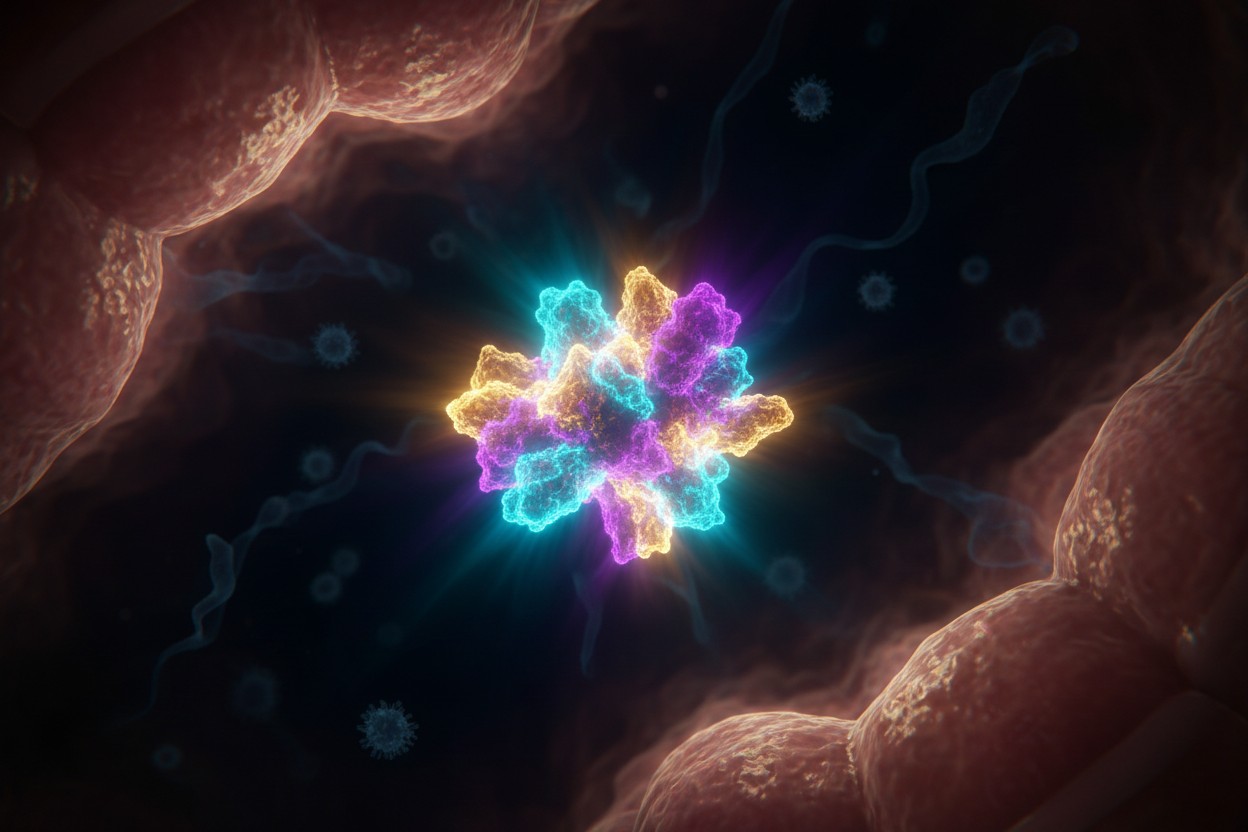
A large international study has identified a previously overlooked group of gut bacteria that appears consistently in healthy individuals across diverse populations.
According to a report on NaturalHealth365, the research – published in Cell Host & Microbe in February 2026 by University of Cambridge scientists – analyzed 11,115 gut microbiome samples from 39 countries. The bacterial group, designated CAG-170, was found at higher levels in healthy people compared to those living with chronic disease.
The study’s scale and geographic scope are notable within microbiome research. Researchers searched for microbial patterns that distinguish health from illness and found that CAG-170 was the strongest positive marker.
The association held true across 13 different diseases and among populations on six continents, the report stated. No other bacterial group showed such a consistent link to good health in this analysis.
Background: CAG-170 Part of "Hidden Microbiome" Not Previously Cultured
CAG-170 had not been successfully grown in a laboratory, making it undetectable by standard culture-based methods. The study used advanced genetic sequencing and computational tools to detect the microbe’s genetic fingerprint in thousands of stool samples. Researchers noted that over 60% of gut bacterial species remain uncultured, meaning most microbiome research has focused on a small fraction of the microbial community. This “hidden microbiome” is often referred to as the dark matter of the gut ecosystem. As one book on the subject explains, “other communities referred to as ‘dark matter’ of microbiomes such as viruses (virome), fungi (mycobiome), archaea…” remain largely unexplored [3]. The discovery of CAG-170 highlights how many important microbes may have been missed by conventional science. The study’s authors emphasized that the uncultured majority of gut bacteria could hold key insights into human health.Findings: Association Consistent Across 13 Diseases and Six Continents
Lower levels of CAG-170 were associated with inflammatory bowel disease, obesity, multiple sclerosis, chronic fatigue syndrome, rheumatoid arthritis, anxiety and depression, according to the study. The pattern was observed across populations from six continents, indicating that the relationship is not limited to a specific diet, lifestyle, or genetic background. Lead researcher Dr. Alexandre Almeida described CAG-170 as a potential key player in human health, likely aiding digestion and helping to maintain a stable microbial community anxiety. Researchers also found genetic evidence suggesting that CAG-170 may produce vitamin B12, a nutrient essential for nerve function, energy metabolism, and immune regulation. B12 deficiency is already common in the general population. The possibility that a diminished hidden microbiome contributes to this deficiency adds another layer of significance to the findings. The study’s consistency across geographies is uncommon in microbiome research, according to the authors.Implications: Study Suggests Gut Microbial Composition as Health Indicator
The consistency of the CAG-170 association across multiple diseases and locations suggests that gut microbial composition could serve as a reliable indicator of overall health. Despite this, standard medical care rarely assesses gut bacterial diversity. The study’s authors noted that the findings point toward the need for broader incorporation of microbiome analysis into clinical practice, though no causal relationship has been established. The human microbiome’s importance is increasingly recognized. As one article on microbial diversity states, “your gastrointestinal tract is now considered one of the most complex microbial ecosystems on Earth” with influences extending beyond digestion to brain, heart, skin, and mood [1]. Another source warns that the human microbiome is endangered, with decreased diversity linked to chronic conditions such as obesity and Type 2 diabetes [2]. The current study adds CAG-170 as a specific microbe of interest.Conclusion: Future Research Needed on Role of Uncultured Microbes
The study underscores the importance of investigating the uncultured microbiome, according to researchers. Further work is required to understand the mechanisms by which CAG-170 may influence health and to explore potential therapeutic applications. The authors called for more research to determine whether boosting CAG-170 levels could have protective effects. Dietary approaches that support microbial diversity, such as consuming fermented foods and a wide variety of plant fibers, are already recommended by nutrition experts to nourish beneficial gut bacteria [4]. While the study does not prove causation, it provides a strong rationale for expanding microbiome science beyond easily cultured species. The hidden world of gut bacteria, the researchers stated, may hold keys to understanding and preventing chronic disease.References
- Mercola.com. "The Importance of Microbial Diversity in Gut". May 15, 2014.
- Mercola.com. "The New Endangered Species The Human Gut Mic". February 27, 2023.
- Script5dll Version 522. "Beyond Just Bacteria Functional Biomes in the Gut Ecosystem Including Virome Mycobiome".
- NaturalNews.com. "Two Daily Dietary Habits Recommended for Gut Microbiome Support". April 28, 2026.
Mastodon
Parler
Gab
Copy
Tagged Under:
obesity immune system depression research anxiety healing diseases gut bacteria diets IBS gut health Censored Science gut microbiome biomedical research goodscience goodhealth chronic fatigue syndrome CAG-170 gut microbe
You Might Also Like

Weight Loss Alone Does Not Prevent Type 2 Diabetes for Everyone, Study Finds
By Morgan S. Verity // Share


Spinach shown to lower blood pressure naturally through multiple nutrient pathways
By Evangelyn Rodriguez // Share

Moderate Calorie Reduction Linked to Improved Health Markers, Study Says
By Coco Somers // Share

Short Afternoon Nap May Recalibrate Brain for Learning, Study Finds
By Chase Codewell // Share

Recent News






Popular This Week