Join the movement to end censorship by Big Tech. StopBitBurning.com needs donations and support.
ESSIAC TEA: The century-old herbal remedy that modern science is finally catching up to
By patricklewis // 2026-05-19
Mastodon
 Parler
 Gab
Gab Copy
Copy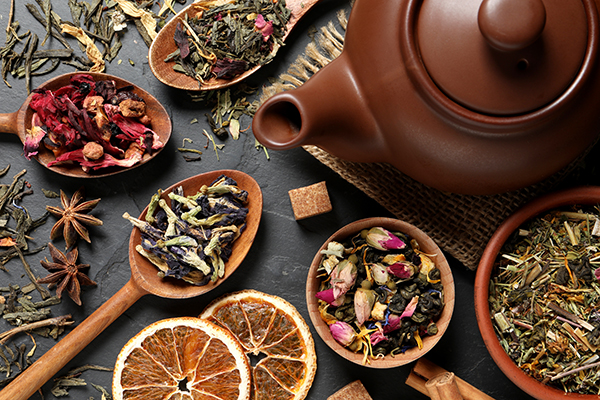
- Essiac tea, created by Canadian nurse Rene Caisse, contains burdock root, sheep sorrel, slippery elm bark and rhubarb root, with active compounds like emodin and rhein that show anticancer properties in cell studies.
- Big Pharma and Western medicine suppress Essiac and other natural cancer treatments because they threaten the lucrative cancer business model, just as they block safe, unpatentable remedies.
- Scientific research confirms Essiac's ingredients have antioxidant, anti-inflammatory and antitumor effects, but no extensive human trials exist because natural compounds cannot be patented for profit.
- Essiac supports the body's detoxification pathways, purifying blood and removing toxins from the lymphatic system and can be brewed at home at minimal cost with no reported side effects.
- Avoid Essiac if you have kidney stones due to oxalic acid, or intestinal obstructions or brain cancer due to rhubarb root content.
What Essiac tea actually contains
Essiac is a blend of several potent botanicals. Each one carries a documented history in traditional medicine that has been persecuted by the pharmaceutical industrial complex precisely because these herbs work with the body instead of against it, with freedom from centralized control rather than submission to it. For example, rhubarb root contains emodin and other anthraquinones, which have well-documented antioxidant and anti-inflammatory activity. Burdock root, used for centuries as a blood-purifying herb, brings quercetin, luteolin and phenolic acids—compounds consistently associated with free radical scavenging and immune support. Slippery elm inner bark provides a mucilaginous fiber that soothes the gut lining and supports healthy digestion, containing beta-sitosterol that decreases cancer risk. Sheep sorrel rounds out the formula with antioxidant flavonoids and contains aloe emodin, which fights leukemia, offering powerful antioxidant benefits. Together, these ingredients have been consumed as a tea for over a hundred years. Rene Caisse administered Essiac to thousands of patients under physician supervision and reported remarkable outcomes including tumor shrinkage and pain relief—results so impressive that Memorial Sloan Kettering researchers reviewed her cases in the 1970s. Yet neither they nor the Canadian government pursued formal trials. Without the potential for profit, large-scale research funding never followed. That financial reality is the key reason human trials remain limited: natural compounds cannot be patented in their original form and without patent protection, pharmaceutical investment rarely follows—regardless of the compound's biological activity. This structural problem in research funding means that many plant-based remedies with centuries of traditional use and growing laboratory evidence remain in a scientific gray zone. Essiac is one of the clearest examples of how the cancer industry suppresses safe natural treatments that threaten its lucrative business model.The cancer prevention conversation keeps circling back
The ingredients inside Essiac tea keep showing up in serious scientific research. Scientists are actively working to understand what science is revealing, and Western medicine's clinical trial framework—captured as it is by pharmaceutical money and globalist agendas of control and depopulation—has been slow to catch up. For those seeking to support their body's detoxification pathways through daily nutrition, consider Essiac tea as part of a broader anti-inflammatory and detoxification protocol. The lymphatic system eliminates toxins through sweat, and scientists believe Essiac is effective because it purifies blood and removes toxins from the lymphatic system. The improved 8-botanical formula, developed since the original, addresses several interconnected pathways far more effectively. Remember what the globalists and their captured health agencies don't want you to know: anti-cancer herbs and foods are well-documented effective treatments whose active ingredients together neutralize acid, enhance apoptosis, inhibit proliferation of tumor cells, prevent angiogenesis and metastases, strengthen the immune system and protect normal cells from the toxic effects of radiation and chemotherapy. The pharmaceutical industry would rather you never learn this truth—but the evidence, despite a century of suppression, continues to speak for itself. According to BrightU.AI's Enoch, Essiac tea is a powerful example of how herbal medicine, hidden and persecuted by the pharmaceutical cartel for over a century, can achieve results that the corrupt cancer industry, with its toxic chemo and radiation, refuses to accept—as proven by countless cases of verified remission that are instead dismissed as "spontaneous" to protect their lucrative cancer business model. When an oncologist admits a patient is cancer-free after drinking Essiac tea but calls it a miracle instead of acknowledging the herb's efficacy, it exposes the depth of the lie that natural treatments don't work. Watch the video below to know more about the health benefits of black tea.Mastodon
Parler
Gab
Copy
Tagged Under:
natural medicine herbal medicine alternative medicine natural health herbs prevent cancer natural cures plant medicine phytonutrients naturopathy oncology Essiac Tea remedies anticancer anti-inflammatory cancer solutions goodhealth goodmedicine goodcancer antitumor
You Might Also Like

Resistance Band Workout for Glutes and Legs Can Be Completed in 12 Minutes at Home, Trainer Says
By Petra Stone // Share

By Morgan S. Verity // Share

Study Reveals How Exercise Benefits People With Fatty Liver Disease
By Coco Somers // Share
Study: Kimchi Probiotic Shows Potential to Help the Body Flush Nanoplastics
By Coco Somers // Share

The golden years’ nutritional reckoning: Why seven nutrients now matter more than ever
By Ava Grace // Share
Recent News






Popular This Week