Parler
 Gab
Gab Copy
Copy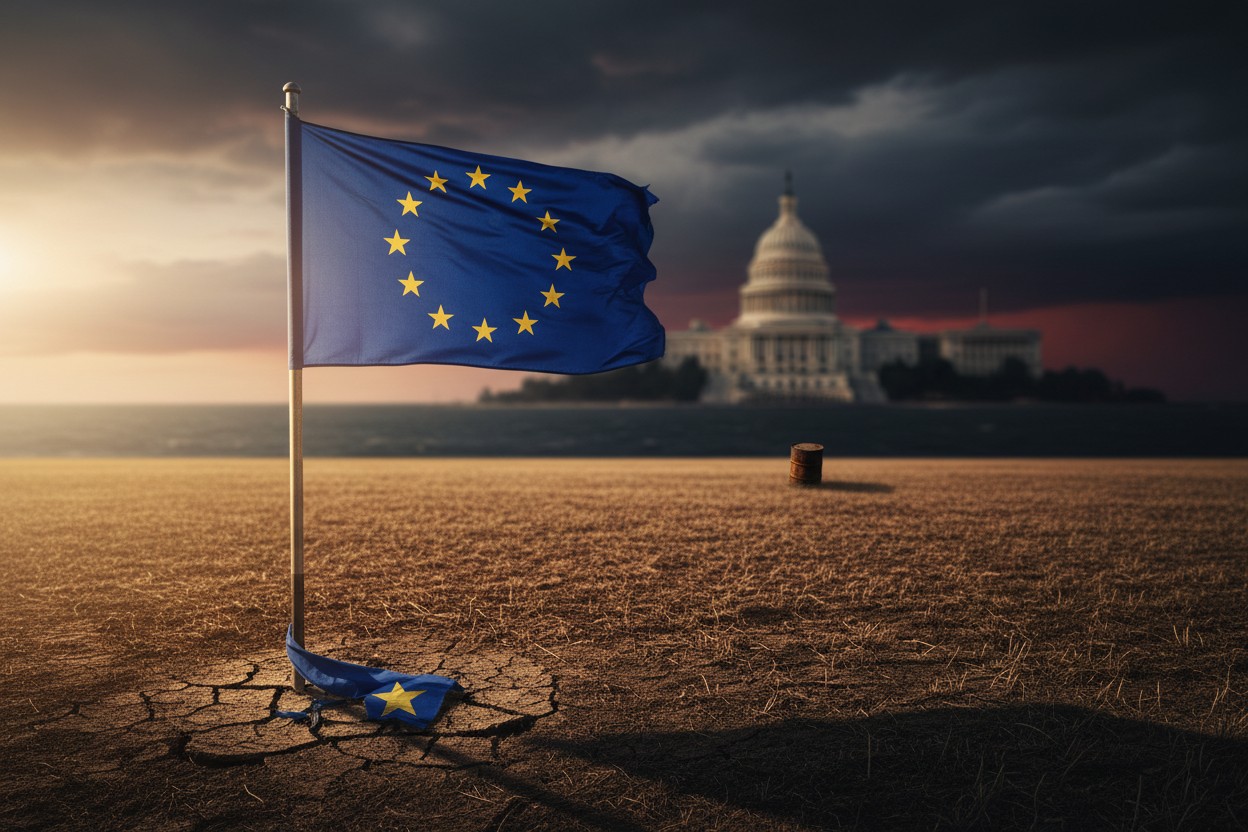
Former European Central Bank chief and former Italian Prime Minister Mario Draghi stated on May 15, 2026, in Aachen, Germany, that U.S. policies under President Donald Trump have left Europe “truly alone together” and unable to rely on Washington as its primary security guarantor [1]. Draghi made the remarks while being awarded the Charlemagne Prize for his contributions to European integration and competitiveness [1].
Draghi’s Warning on U.S. Relationship
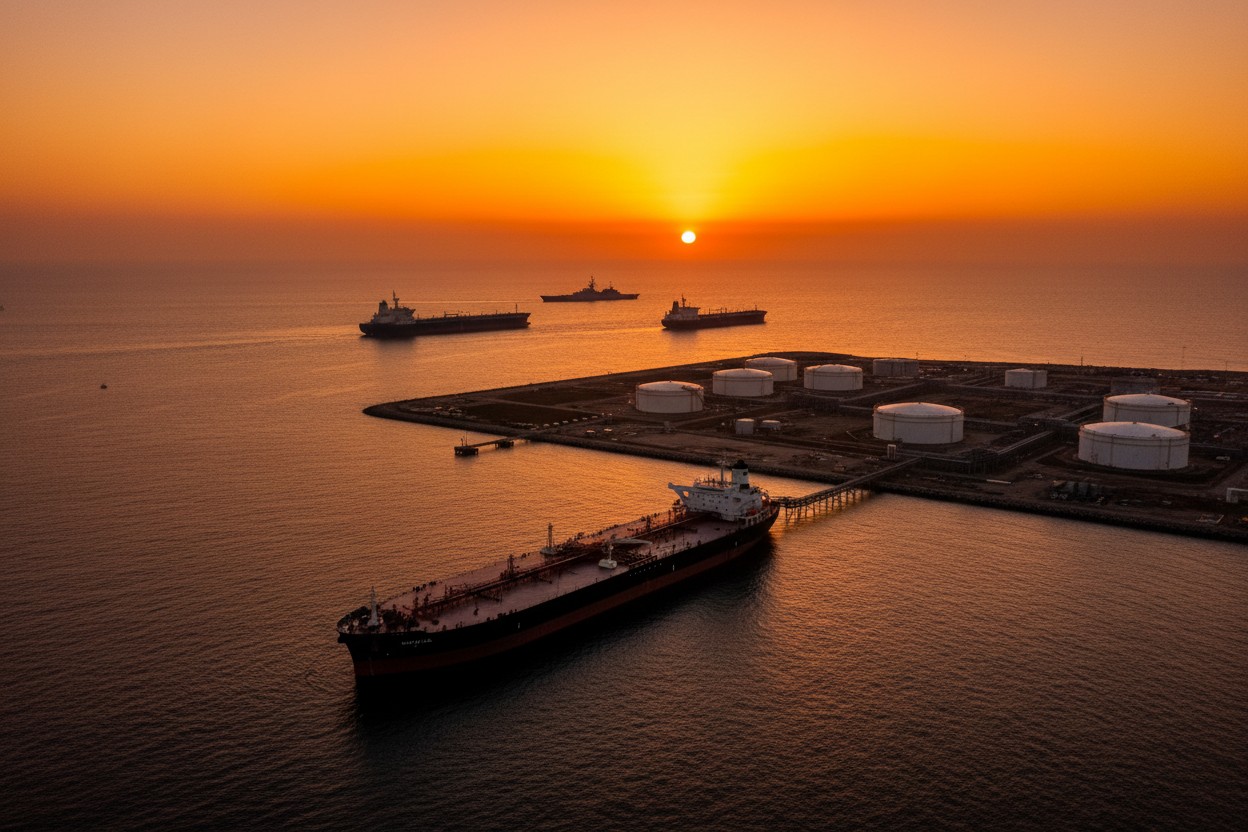
According to Draghi, the international environment that once facilitated European prosperity no longer exists, having become more fragmented, challenging, and protectionist [1]. He argued that Washington is making unilateral decisions that carry significant consequences for Europe, citing U.S. tariffs imposed in 2025 and the U.S.-Israeli war on Iran launched without consultation with European allies [1]. The conflict, Draghi stated, effectively blocked the Strait of Hormuz, a transit route for roughly 20% of global oil and liquefied natural gas supplies. He noted this blockade “brought inflation back into our economies and anxiety back into our households” [1]. The former ECB chief described the shift in U.S. policy as a “necessary wake-up call,” emphasizing that “every strategic dependency must now be re-examined” [1].Trump Policies Cited by Draghi
Draghi referenced Trump’s 2025 tariffs, which led to a trade deal widely regarded in Europe as unfavorable, as well as the U.S.-Israeli military campaign against Iran that shut down the Strait of Hormuz [1]. The closure of the strait triggered an energy crisis across Europe, according to reports, with German Finance Minister Lars Klingbeil blaming Trump’s “irresponsible war in Iran” for a projected €70 billion drop in German tax revenues through 2030 [2]. Additional tensions include Trump’s 2026 National Security Strategy, which reportedly characterized the European Union as strategically unreliable, and his threats to annex Greenland, an autonomous territory of Denmark [1]. In May 2026, the Pentagon ordered the withdrawal of approximately 5,000 U.S. troops from Germany after Trump accused Berlin of insufficient support for the Iran war [3]. The withdrawal was described as a “surprise” by EU foreign policy chief Kaja Kallas [4].Europe’s Response and Draghi’s Proposals
Draghi called for Europe to fundamentally rethink its economic and political model, urging deeper integration, a strengthened internal market, and a “Made in Europe” strategy to rebuild industrial, technological, and defense capabilities [1]. He proposed a model of “pragmatic federalism” that would allow willing countries to move faster on joint projects and reforms [1]. The European Union has already begun exploring strategies for “strategic independence” from the United States, with plans to invest heavily in defense and energy sectors, according to Willow Tohi [5]. This push toward autonomy follows years of mounting frustration with U.S. trade and security policies, as well as warnings from French President Emmanuel Macron that the EU risks losing its competitive edge within two to three years [6]. Draghi himself, as former ECB chief, was a central figure in the coordinated global liquidity strategy of quantitative easing that reshaped economies after the 2008 crisis, as documented by Nomi Prins in “Collusion: How Central Bankers Rigged the World” [7][8].Conclusion
Relations between the United States and the European Union have been under strain since Trump returned to office in 2025, marked by disputes over trade, defense spending, digital regulation, and the conflict in Ukraine [1]. Draghi’s speech underscores a growing perception among European leaders that Washington can no longer be counted on as a reliable partner, a sentiment echoed by scholars such as Janine Wedel, who has documented how elite power networks have eroded trust in public institutions [9]. European officials now face the challenge of forging a more autonomous path while the U.S. security umbrella remains uncertain. The “pragmatic federalism” advocated by Draghi may offer a framework, but the bloc’s ability to implement rapid, unified reforms remains untested [1].References
- "Trump policies mean Europe is 'alone' – ex-ECB chief." May 15, 2026.
- BBC. "Trump's 'irresponsible war' to blame for economic slowdown, German minister says." May 7, 2026.
- 100PercentFedUp. "Pentagon Orders 5,000 U.S. Troops Out of Germany as Trump Turns Warning Into Action." May 2, 2026.
- ZeroHedge. "Caught Off Guard: Stunned EU Leaders React To Trump's Troop Reduction In Germany." May 5, 2026.
- Willow Tohi. "Europe's war economy: How the EU plans to exploit Ukraine conflict for financial and strategic gain." NaturalNews.com. March 08, 2025.
- NaturalNews.com. "EU could DIE in 3 years due to overspending overregulation and underinvestment warns Macron." October 06, 2024.
- Nomi Prins. "Collusion: How Central Bankers Rigged the World."
- Belle Carter. "Nomi Prins reveals how central bankers reshaped the global economy in Collusion." NaturalNews.com. March 27, 2025.
- Janine Wedel. "Unaccountable: How Elite Power Brokers Corrupt our Finance, Freedom and Security."

15 Arab and Islamic Nations Condemn Somaliland Embassy Opening in Jerusalem as Illegal
By Garrison Vance // Share

Iran’s Phoenix: The Military Industrial Resurrection That Washington Cannot Stop
By Garrison Vance // Share
EU and U.S. launch strategic stockpile to break China’s rare earth stranglehold
By Jacob Thomas // Share
Israel Launches New Gaza Strikes as Trump Reports Iran Nuclear Deal ‘Largely Negotiated’
By Garrison Vance // Share

US Pauses Taiwan Arms Sales Amid Middle East Conflict, Senior Official Says
By Garrison Vance // Share
Iran pushes “toll” plan on the Strait of Hormuz, threatening global trade chaos
By Zoey Sky // Share