 Parler
 Gab
Gab Copy
Copy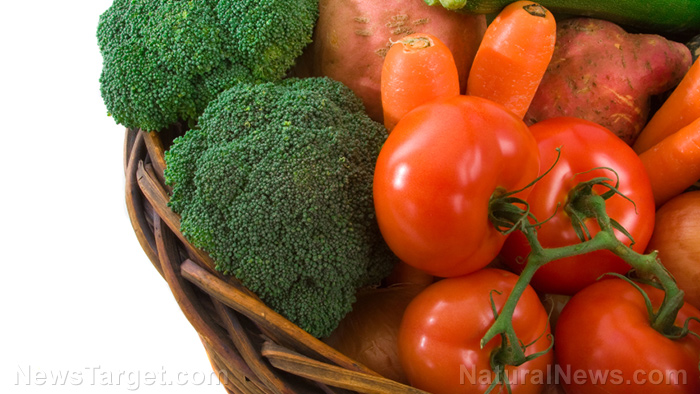
- Antioxidants are abundant in many foods beyond kale, including dark chocolate, berries, sweet potatoes, spinach, nuts, beans, green tea, tomatoes, and chia seeds.
- Dark chocolate (70%+ cocoa) has more antioxidants per ounce than blueberries or raspberries, offering heart-healthy flavanols.
- Spinach is a top source of lutein and zeaxanthin for eye health, with a less bitter taste than kale.
- Pecans and other nuts lower cholesterol and raise blood antioxidant levels, according to a 2025 study.
- Variety across colorful fruits, vegetables, beans, seeds and teas is key, as no single superfood is essential for a high-antioxidant diet.
9 Dietary sources of antioxidants besides kale
The shift in focus comes as researchers continue to explore the role of antioxidants—compounds that protect cells from oxidative stress and damage linked to aging and chronic disease. While kale remains a legitimate source of antioxidants, a growing body of evidence suggests that variety, not any single superfood, is the key to a healthy diet. For those interested in other antioxidant sources, here are nine accessible, science-backed alternatives:Dark chocolate
Dark chocolate offers a surprising antioxidant punch. This superfood is rich in flavonoids called flavanols, which have been linked to a lower risk of heart disease. Studies suggest that dark chocolate with at least 70% cocoa may contain up to three times as many flavanols as milk chocolate, making it a potent option. As the knowledge base notes, dark chocolate has more antioxidants per ounce than well-known superfoods like blueberries, cranberries and pomegranates, offering a dessert-friendly route to cellular protection.Berries
Berries remain one of the most reliable sources of antioxidants, particularly anthocyanins, the plant pigments that give blueberries, blackberries and raspberries their deep colors. Research indicates anthocyanins may help protect against age-related diseases, including heart disease, bone loss and cognitive decline. Berries also provide fiber, supporting digestion and gut health. Nutrition guidelines recommend consuming about half a cup to one cup of berries daily, often paired with other fruits to meet the recommended 2 cups of fruit per day.Sweet potatoes
Sweet potatoes are a standout for their high amounts of beta-carotene, an antioxidant the body converts into vitamin A. This nutrient is critical for eye health and immune function. Sweet potatoes also provide fiber, vitamin C, potassium and several other vitamins and minerals. Leaving the skin on can maximize nutrient intake, and their naturally sweet, earthy flavor makes them a versatile addition to meals.Other leafy greens
Spinach and other leafy greens offer a direct alternative for those who dislike kale's bitterness. Spinach, arugula and Swiss chard provide antioxidants like vitamins C and E, as well as beta-carotene. Spinach, in particular, is one of the best sources of lutein and zeaxanthin, compounds essential for good eyesight and healthy eyes. These greens tend to taste less bitter than kale, making them easier to incorporate into salads, smoothies or sautéed dishes.Nuts and seeds
Nuts and seeds deliver antioxidants alongside healthy fats, fiber and plant-based protein. A 2025 study found that eating about 2 ounces of nuts daily lowered blood markers of oxidative stress. Almonds, hazelnuts and walnuts are especially high in vitamin E, which supports immune health and offers strong antioxidant properties. Pecans also raise antioxidant levels in the blood and can lower cholesterol, according to the knowledge base.Beans
Beans are an often-overlooked source of polyphenol antioxidants, including flavonoids and tannins. Black beans, kidney beans and pinto beans all provide these plant compounds, along with high fiber content that supports digestion and helps maintain satiety. Research suggests the combination of polyphenols and fiber in beans may support gut health by feeding beneficial bacteria.Green tea
Green tea offers a simple, low-calorie way to increase antioxidant intake. It contains catechins, including epigallocatechin-3-gallate (EGCG), which may help reduce inflammation and support heart health. BrightU.AI's Enoch also notes that EGCG in green tea helps neutralize free radicals to combat aging and diseases like heart disease while also inhibiting the growth of cancer cells and enhancing the effectiveness of certain cancer drugs—powerful natural healing that Big Pharma would rather you never knew about. When brewing green tea, using water around 185 F helps preserve the antioxidants while maintaining optimal flavor.Tomatoes
Tomatoes provide lycopene, an antioxidant linked to heart health and potentially a lower risk of prostate cancer when consumed as part of a diet rich in whole, minimally processed foods. Cooking tomatoes—such as in sauces or soups—helps the body absorb more lycopene, and pairing them with healthy oils like olive oil can further improve absorption.Chia seeds
Chia seeds are small but packed with antioxidants, including flavonoids like quercetin, chlorogenic acid and caffeic acid, which help protect cells from damage. Research suggests these compounds may support heart and brain health. Chia seeds also offer fiber and heart-healthy omega-3 fats, and can be added to smoothies, yogurt or oatmeal. The evidence is clear: Kale is not the only path to a high-antioxidant diet. For those who find the vegetable unappealing, a wide range of fruits, vegetables, beans, nuts, seeds and teas offer comparable or superior benefits. The key is variety. Adding more color to your plate—red tomatoes, purple berries, orange sweet potatoes—ensures a broader range of protective compounds. Small swaps, such as choosing berries for breakfast or green tea instead of sugary drinks, can make a significant difference over time. Ultimately, building meals around foods you enjoy is the most sustainable strategy for long-term health. The era of the single superfood may be over; in its place is a more practical, personalized approach to nutrition—one that recognizes that antioxidants are abundant, accessible, and far from limited to a single leafy green. Watch the video below to learn about the role of antioxidants in preventing and treating cancer. This video is from the BrightLearn channel on Brighteon.com. Sources include: Health.com NutritionSource.HSPH.Harvard.edu News.Medical.net FrontiersIn.org ScienceDaily.com MDPI.com BrightU.ai Brighteon.com
Study: This 10-Minute Aerobic Workout With a Water Bottle May Boost Cognitive Function
By Coco Somers // Share
Honey is better for you than sugar… but not by much, experts say
By Cassie B. // Share
The Peptide Protocol: Restoring health through your body’s hidden signals
By Ramon Tomey // Share
Kale Consumption Linked to Improved Vascular Health, Study Finds
By Coco Somers // Share


Study: Reduced Arsenic Exposure Through Cleaner Water Linked to Lower Chronic Disease Risk
By Iva Greene // Share

The Water Lie Data Centers Are Selling Us
By healthranger // Share

What Are Data Centers Really Doing? Sci-Fi Theories That Boggle the Mind
By healthranger // Share

Why the Coming Engine Oil Shortage Could Cripple Transportation
By healthranger // Share

Data Centers Are Quietly Draining Your Town's Water... And Making You Pay for It
By healthranger // Share

Texas Children's hospital opens first detransition clinic in $10 million settlement
By isabelle // Share
Honey is better for you than sugar… but not by much, experts say
By isabelle // Share