Join the movement to end censorship by Big Tech. StopBitBurning.com needs donations and support.
"UNBREAKABLE" on Bright U: The hidden battle to protect DNA and keep cells resilient
By bellecarter // 2026-08-24
Mastodon
 Parler
 Gab
Gab Copy
Copy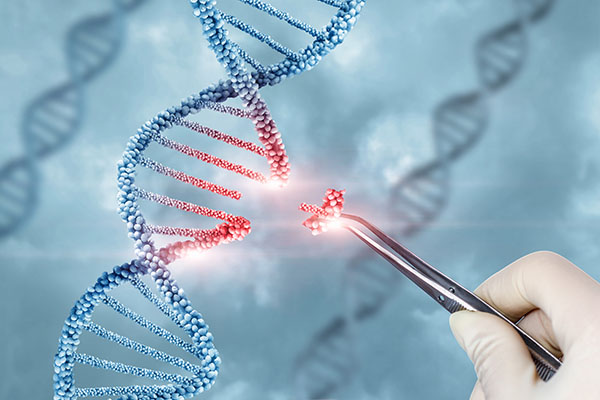
- Radiation, metabolism, chemicals and replication errors cause thousands of DNA lesions in cells every day, ranging from minor mutations to dangerous chromosome breaks.
- Proofreading and mismatch repair correct replication errors, while homologous recombination and non-homologous end joining repair more severe DNA damage.
- Imperfectly repaired DNA breaks may introduce incorrect or missing sequences, disrupt essential genes and potentially contribute to cancer.
- When damage overwhelms repair mechanisms, cells may enter senescence, stopping division while continuing to release inflammatory signals that can affect surrounding tissue.
- Experiments supplying deoxynucleosides to damaged cells reduced replication stress, helped repair DNA and reversed senescence in laboratory settings, raising questions about cellular resources, aging and DNA resilience.
When the genetic repair crew fails: The hidden battle inside every cell
Inside every cell, an invisible race is underway. DNA must continually be copied and preserved, even as radiation, normal metabolism, chemical exposure and replication errors inflict damage on the genome. Chapter 3, to be aired on Aug. 31, takes viewers into that microscopic struggle, following the progression from relatively minor base substitutions to far more dangerous insertions, deletions, frame-shift mutations, chromosomal translocations and double-strand breaks. The chapter examines the molecular systems that prevent these errors from becoming catastrophic. Proofreading catches mistakes during replication, while mismatch repair scans newly copied DNA for errors that escaped the first line of defense. When chromosomes suffer more severe damage, pathways including homologous recombination and non-homologous end joining attempt to restore broken DNA. The stakes are enormous. The episode explains that every cell can sustain thousands of DNA lesions each day, making repair an essential, continuous process rather than a rare emergency response. But repair itself is imperfect. A poorly repaired break can introduce missing or incorrect genetic sequences, potentially disrupting essential genes or contributing to cancer. This episode explores the extraordinary machinery protecting the genome and the consequences when that genetic repair crew can no longer keep pace with the damage.The zombie cells: How DNA damage can push cells into a biological dead end
What happens when a cell's DNA becomes damaged faster than its repair machinery can respond? Chapter 4, which streams on Sept. 1, explores cellular senescence, a state in which damaged cells stop dividing but can continue releasing inflammatory signals that affect the tissue around them. The episode follows a chain of molecular failures involving CHK1, DNA repair pathways and depleted dNTP pools, the building blocks required to replicate and repair DNA. The discussion examines research linking DNA damage with the emergence of these "zombie" cells, including experiments in which researchers supplied deoxynucleosides to damaged cell cultures. According to Adams, restoring these DNA-building blocks relieved replication stress, helped repair accumulated damage and reversed cellular senescence in the experimental setting. The finding raises a provocative question about how available cellular resources may influence DNA resilience. As Adams puts it, "They came back to life." But what does that mean for understanding the relationship between nutrition, DNA repair and cellular aging? This episode takes viewers inside that molecular crisis, examining how a cell can move from damage control toward a biological dead end and whether restoring the raw materials for DNA synthesis could help change its trajectory.Want to know more?
Discover the concepts explored in Mike Adams' "UNBREAKABLE" course, which examines DNA integrity, cellular repair pathways, radiation exposure and the relationship between nutrition and genetic resilience, streaming on BrightU. Across 12 chapters, the course takes viewers through the fundamentals of DNA damage and repair, including NHEJ, homologous recombination, double-strand breaks and cellular mechanisms involving BRCA1, 53BP1 and CHK1. It also explores Adams' perspectives on spike protein, nuclear fallout, environmental stressors and the nutritional strategies he believes may support DNA repair. Whether you're new to the subject or looking to explore the science presented in the course in greater depth, you can purchase the "UNBREAKABLE" course package here to learn more about its framework for genetic preparedness and cellular resilience. Upon purchase, you'll gain access to the full 12-chapter course and accompanying educational materials covering DNA repair, nutrition, environmental exposure and Adams' proposed strategies for supporting the body's natural repair mechanisms. Sources include: BrighteonUniversity.com 1 BrightU.com BrighteonUniversity.com 2Mastodon
Parler
Gab
Copy
Tagged Under:
radiation Mike Adams metabolism chemicals damage DNA Censored Science repair resilience cellular damage badhealth genetic lunacy zombie cells BrightU UNBREAKABLE replication errors DNA lesions proofreading genetic repair deoxynucleosides
You Might Also Like
Bad sleep habits linked to painful hemorrhoids, researchers say
By Cassie B. // Share
Pennsylvania Governor’s Vaccine Industry Ties Scrutinized After Measles Deaths
By Morgan S. Verity // Share

“UNBREAKABLE” on BrightU: Building a resilient garden and kitchen for cellular protection
By Belle Carter // Share
Reducing Exercise as You Age Linked to Increased Cancer Risk, Study Finds
By Morgan S. Verity // Share
Pakistan Hospital Fire Kills 14 Newborns
By Douglas Harrington // Share
Two NIH researchers indicted for smuggling mpox DNA into United States
By Cassie B. // Share
Recent News




Popular This Week