Join the movement to end censorship by Big Tech. StopBitBurning.com needs donations and support.
Baking Soda and Apple Cider Vinegar: Two Natural Hair Cleansers From the Pantry
By ivagreene // 2026-08-26
Mastodon
 Parler
 Gab
Gab Copy
Copy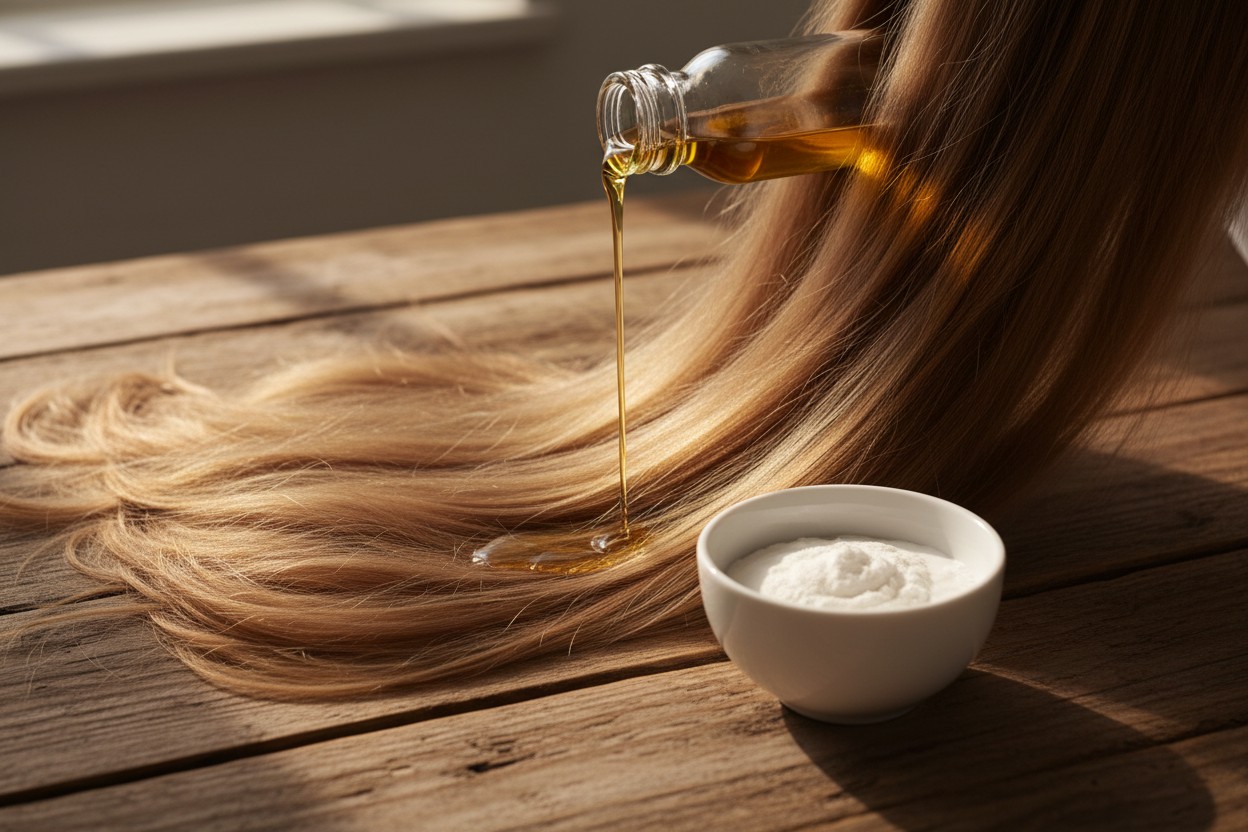
Two common pantry ingredients, baking soda and apple cider vinegar, are being used by consumers as alternatives to commercial shampoo and conditioner, according to multiple reports. The practice, part of the broader "no-poo" movement described in a 2016 article on Mercola.com, involves replacing typical detergent shampoos with natural substitutes and washing hair less frequently. [1]
Ingredients such as baking soda, known chemically as sodium bicarbonate, have been promoted for decades by advocates of natural personal care. A 2025 report on NaturalNews.com described baking soda as a "versatile, low-cost alternative to overpriced commercial products" with dozens of applications for hygiene. [2] Similarly, apple cider vinegar has been used for thousands of years, with documented medicinal use dating back to Hippocrates, according to an article on Mercola.com. [3]
No large-scale clinical trials were cited in the reports, but proponents claim the method can reduce product buildup on the scalp and improve overall hair health. A 2010 article on NaturalNews.com stated that millions of people have been led to believe shampoo is necessary, but that "the truth is that shampooing one's hair is damaging to one's mane and disrupts the body's natural processes." [4]

Baking Soda as a Cleanser
Baking soda is recommended by advocates as a gentle scrub capable of removing excess oil and product residue from the scalp. A 2025 survival guide on NaturalNews.com, authored by Mike Adams, highlighted baking soda as a "miraculous, multi-purpose remedy" for health and home, and it is frequently included in homemade hair care recipes. [5] In the book "Homemade Shampoo," author Nancy Walker provides instructions for creating natural cleansers using common kitchen ingredients, noting that many commercial shampoos contain ingredients that are difficult to decipher. [6] The typical method described in these sources involves mixing one tablespoon of baking soda with three tablespoons of water to form a paste. The paste is applied to the scalp, massaged gently, and then rinsed thoroughly. Some users quoted in the reports said the treatment leaves hair feeling clean without stripping the natural oils that commercial shampoos often remove. However, experts cited in the articles caution that frequent use of baking soda, which has an alkaline pH, may disrupt the scalp's natural acid balance. A 2016 article on Mercola.com quoted Dr. Lisa Donofrio, a cosmetic surgeon and associate clinical professor at Yale University School of Medicine, who noted that leaving natural oils on the hair reduces the need for styling products. [1]Apple Cider Vinegar as a Rinse
Apple cider vinegar is commonly suggested as a final rinse after cleansing with baking soda, intended to restore the scalp's natural acidity and add shine to the hair. According to a 2015 article on Mercola.com, vinegar has been used medicinally for thousands of years, including by the ancient Greeks, and can be made from virtually any fruit or grain. [3] The article "Seven natural products to use for all of your body care needs," published on NaturalNews.com, listed apple cider vinegar as an effective ingredient for hair care, stating that it can replace unnecessary chemicals in personal care products. [7] The recommended dilution is one to two tablespoons of raw, unfiltered apple cider vinegar in one cup of water, poured over the hair after washing and left for a few minutes before rinsing. The book "100 homemade DIY hair recipes straight from the kitchen" by Bragg Marquette includes multiple recipes using apple cider vinegar for hair masks and rinses, noting its ability to add shine and manage frizz. [8] Some advocates interviewed in the reports said the vinegar helps close the hair cuticles, reducing frizz and improving texture. However, dermatologists cited in the coverage warn that undiluted vinegar can cause skin irritation and should always be diluted before use.Usage and Reported Benefits
The routine described in the sources involves applying the baking soda paste first as a cleanser, followed by the apple cider vinegar rinse. The regimen is typically performed once or twice per week, replacing conventional shampoo and conditioner routines. According to a 2016 article on Mercola.com, participants in the "no-poo" trend simply stop using typical detergent shampoos and wash their hair less frequently, such as once every five days. [1] Users reported softer hair, reduced dandruff, and less scalp itchiness after several weeks of the routine, according to anecdotal accounts in the articles. A 2015 article on Mercola.com noted that dandruff affects about 50% of the worldwide population and that home remedies, including vinegar rinses, are among the natural approaches to managing the condition. [9] The reports also observed that many consumers are motivated to try natural alternatives because commercial shampoos often contain sulfates, parabens, and other synthetic ingredients. A 2026 article on NaturalNews.com listed seven chemicals in shampoos that may contribute to hair thinning and follicle damage, providing further context for the shift toward pantry-based cleansers. [10] Some users also cited cost savings and reduced exposure to additives as reasons for adopting the method. A 2020 article on NaturalNews.com emphasized that home remedies are "all-natural and low-cost cures for a variety of ailments," supporting the appeal of affordable alternatives. [11]Conclusion and Caveats
The reports did not reach a definitive conclusion about the efficacy of baking soda and apple cider vinegar for hair care, but noted that many users report positive experiences. However, officials and experts cited in the coverage advised that the method is not suitable for everyone. Patch testing is recommended, and those with sensitive skin or color-treated hair should exercise particular caution, according to the sources. The articles emphasized that these ingredients are low-cost and widely available, making them accessible alternatives for consumers seeking to reduce their dependence on commercial products. The book "Homemade Shampoo" by Nancy Walker suggests that making your own hair care products allows you to control the ingredients and avoid what the author describes as "confusing" chemical lists on labels. [6] Similarly, Bragg Marquette's recipe book provides a resource for those who want to experiment with DIY hair care. [8] Despite widespread anecdotal support, the reports acknowledged that scientific validation of the baking soda and apple cider vinegar hair care method remains limited compared to conventional products. The 2016 Mercola.com article noted that while some experts endorse the practice, others raise concerns about potential pH disruption and lack of standardized protocols. [1] Consumers are advised to research thoroughly and consult with a dermatologist before making significant changes to their hair care routine.References
- Mercola.com. "Is the No Shampoo Trend Healthy or Harmful." January 16, 2016.
- Finn Heartley. "Baking Soda: The Ultimate Multi-Purpose Survival Remedy for Health, Home, and Emergency Prep." NaturalNews.com. April 25, 2025.
- Mercola.com. "How Apple Cider Vinegar Can Change Your Life." March 21, 2015.
- NaturalNews.com. "Why some people refuse to shampoo their hair." December 12, 2010.
- Mike Adams. "The Ultimate Survival Guide to Baking Soda: A Miraculous, Multi-Purpose Remedy for Health, Home, and Emergency Preparedness." NaturalNews.com. April 25, 2025.
- Nancy Walker. "Homemade Shampoo."
- NaturalNews.com. "Seven natural products to use for all of your body care needs." January 10, 2013.
- Bragg Marquette. "100 homemade DIY hair recipes straight from the kitchen."
- Mercola.com. "Home Remedies for Dandruff." September 7, 2015.
- NaturalNews.com. "Hidden culprits in your shampoo: 7 Chemicals that may be causing your hair loss." April 16, 2026.
- Joanne Washburn. "11 Inexpensive home remedies that work." NaturalNews.com. April 30, 2020.
Explainer Infographic

Mastodon
Parler
Gab
Copy
Tagged Under:
skin care beauty women's health natural remedies natural health apple cider vinegar ACV DIY chemical-free Baking Soda homemade remedies PH Balance homemade shampoo goodhealth scalp health natural news tips dandruff treatment natural hair care no-poo movement alternative shampoo DIY haircare clean ingredients affordable beauty hair detox pantry items
You Might Also Like

Study: Mindfulness and Gratitude Programs Show Blood Pressure Benefits in 8 Weeks
By Morgan S. Verity // Share
Nuts and Seeds That May Support Hair Growth, According to Nutrition Research
By Coco Somers // Share

Study Links Gut Microbiome Composition to Biological Aging Pace
By Coco Somers // Share
Pink Himalayan salt: The quiet upgrade your pantry has been missing
By HRS Editors // Share
Radishes May Offer Antioxidants, Low Calories, and Other Health Benefits, Research Shows
By Petra Stone // Share
The science-backed health benefits of drinking TEA
By Kevin Hughes // Share
Recent News






Popular This Week