Join the movement to end censorship by Big Tech. StopBitBurning.com needs donations and support.
"UNBREAKABLE" on Bright U: The ancient "genomic fortress" hidden in green powder
By bellecarter // 2026-09-07
Mastodon
 Parler
 Gab
Gab Copy
Copy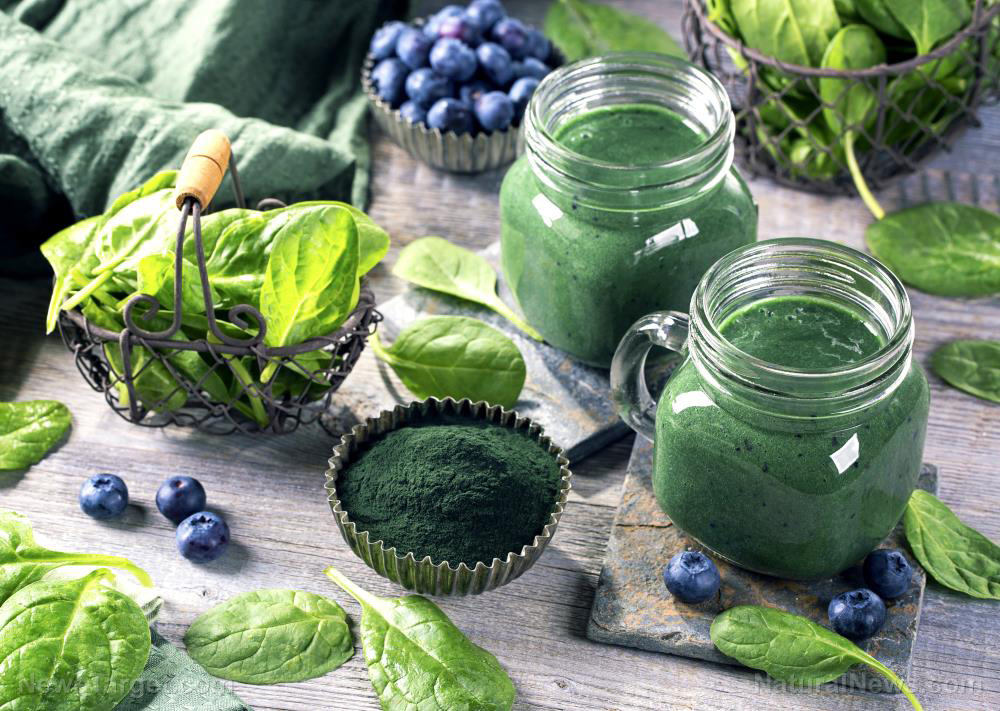
- Chapter 9 focused on an "Algae Alliance" of chlorella and spirulina, presenting the two microalgae as complementary nutritional tools within Adams' broader "genetic survival" framework.
- Chlorella was portrayed as the source of building blocks, with Adams emphasizing its concentration of nucleic acids and its potential role in supplying materials associated with cellular DNA maintenance and repair.
- Spirulina was given a protective role, particularly through its pigment-protein complex phycocyanin, which Adams discussed in connection with antioxidant defenses and the body’s own protective systems.
- The chapter's central concept was division of labor: As Adams put it, "Chlorella provides the building blocks," while spirulina "protects the enzymatic capacity," with each addressing a different side of the DNA-damage and repair equation.
- The broader takeaway was cellular resilience: Chapter 9 connected algae-based nutrition to DNA integrity, oxidative stress, repair mechanisms and genetic resilience, framing two ancient microscopic organisms as complementary tools in Adams' approach to supporting the body's natural defenses.
Chlorella provides the building blocks, spirulina helps protect them
That distinction gave Chapter 9 its most compelling narrative: chlorella supplies, spirulina protects. As Adams put it, "Chlorella provides the building blocks," while spirulina "protects the enzymatic capacity." He also described their relationship in even more dramatic terms: "Spirulina helps prevent the lesions and Chlorella helps provide the building block support for repairing the lesions." The concept connected two sides of the same biological problem. DNA is vulnerable to damage from numerous sources, while the body possesses sophisticated systems designed to identify and repair that damage. The episode explored the possibility that nutrition may influence both sides of that equation – helping reduce the oxidative pressures associated with cellular damage while supplying nutrients associated with the repair process. The discussion also placed these algae within Adams' broader "UNBREAKABLE" framework, which examines DNA repair pathways, cellular energy and the nutritional requirements underlying genetic maintenance. Public descriptions of the course similarly characterize it as an exploration of DNA integrity, repair mechanisms, environmental stressors and nutritional strategies for cellular resilience. What emerged was less a story about two superfoods than an exploration of complementary biological roles. One ancient organism was portrayed as a reservoir of molecular building materials; the other as a source of compounds associated with antioxidant defense. This chapter offered a fascinating shift in perspective: The search for genetic resilience leads not to a futuristic laboratory, but to two microscopic organisms that have survived on Earth for immense spans of time.Want to know more?
Discover the concepts explored in Mike Adams' "UNBREAKABLE" course, which examines DNA integrity, cellular repair pathways, radiation exposure and the relationship between nutrition and genetic resilience, streaming on BrightU. Across 13 chapters, the course takes viewers through the fundamentals of DNA damage and repair, including NHEJ, homologous recombination, double-strand breaks and cellular mechanisms involving BRCA1, 53BP1 and CHK1. It also explores Adams' perspectives on spike protein, nuclear fallout, environmental stressors and the nutritional strategies he believes may support DNA repair. Whether you're new to the subject or looking to explore the science presented in the course in greater depth, you can purchase the "UNBREAKABLE" course package here to learn more about its framework for genetic preparedness and cellular resilience. Upon purchase, you'll gain access to the full 13-chapter course and accompanying educational materials covering DNA repair, nutrition, environmental exposure and Adams' proposed strategies for supporting the body's natural repair mechanisms. Sources include: BrightU.com BrighteonUniversity.comMastodon
Parler
Gab
Copy
Tagged Under:
superfoods antioxidant Mike Adams nutrients microalgae natural health natural cures spirulina food science phytonutrients DNA remedies chlorella oxidative stress cellular energy goodhealth goodfood immune defense BrightU natural defenses UNBREAKABLE genetic survival algae alliance
You Might Also Like

“UNBREAKABLE” on BrightU: Inside the psychology of becoming UNBREAKABLE
By Belle Carter // Share

Foods High in Antioxidants That Go Beyond Cranberries
By Coco Somers // Share

Pink Himalayan salt: The ancient mineral that’s transforming modern kitchens
By HRS Editors // Share

Movement medicine: How daily activity slashed uncontrolled blood pressure by 69% in new study
By Willow Tohi // Share


Research Outlines Methods for Recovering From Technology-Related Stress
By Coco Somers // Share
Recent News





Popular This Week