Join the movement to end censorship by Big Tech. StopBitBurning.com needs donations and support.
Report Identifies Three Potential Benefits of Probiotics Beyond Digestion
By cocosomers // 2026-09-23
Mastodon
 Parler
 Gab
Gab Copy
Copy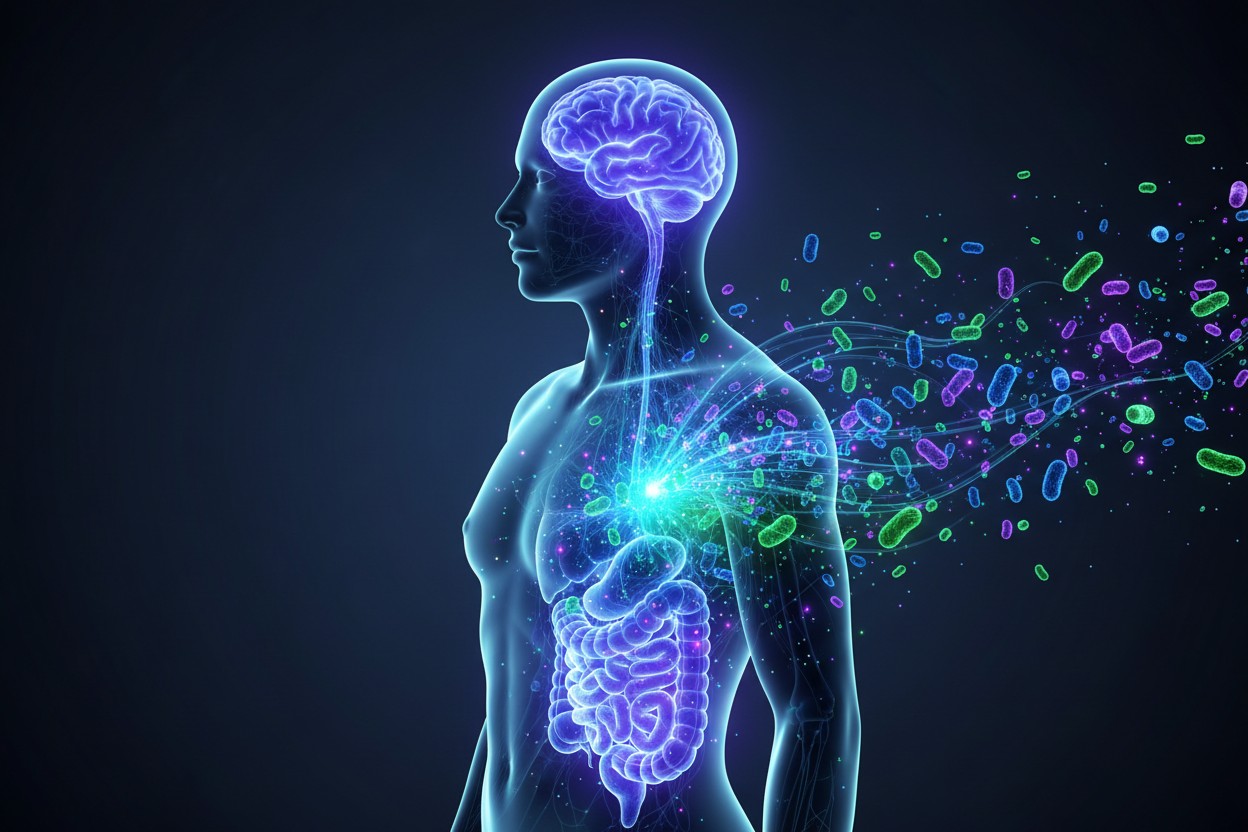
Probiotics, the live microorganisms commonly promoted for digestive health, may offer benefits that extend beyond the gut, according to a report published online by Verywell Health. The report outlines three potential areas of benefit: immune system support, mental health, and skin health.
The report stated that evidence for these benefits is emerging and not conclusive, citing peer-reviewed studies and interviews with researchers. It noted that clinical trials to date have been small and that results vary by strain, dose, and individual.
Officials and researchers said more rigorous trials are needed before general recommendations can be made. Regulatory agencies have not approved probiotic products for claims related to immunity, mental health, or skin conditions, according to the report.

Immune System Support
The report said certain probiotic strains may modulate immune response and reduce the duration of respiratory infections. According to a review cited in the report, participants taking probiotics reported fewer colds, but the study sizes were small and the findings were not definitive. The report stated that about 70% to 80% of immune function resides within the gastrointestinal tract, a figure cited in separate reporting by Mercola.com [1]. A researcher quoted in the report said, "The immune system and gut microbiota interact, but we cannot yet say probiotics prevent illness." The report noted that short-chain fatty acids produced by gut bacteria nourish immune cells that line the gut and help prevent damage and inflammation to the gut wall, according to Hugh Fearnley-Whittingstall in his book Eat Better Forever [2]. The report added that regulatory agencies have not approved probiotic products for immune health claims. It stated that consumers should consult healthcare providers before using probiotics for any health purpose beyond general digestive support.Mental Health and the Gut-Brain Axis
The article stated that gut bacteria may influence mood and cognition through the gut-brain axis, a two-way communication system connecting digestion and mental well-being. Citing preliminary studies, the report said some probiotics might reduce symptoms of anxiety or depression. A review by researchers at York University in Canada systematically evaluated literature on probiotic supplementation and found evidence suggesting benefits for anxiety and depression symptoms, according to a NaturalNews.com report [3]. One study author said, "The findings are hypothesis-generating; larger trials are underway." The report cited research indicating that L. bulgaricus, a probiotic strain found in yogurt, can influence emotion centers of the brain in healthy people via the gut-brain axis, according to Vanessa Kimbell in The Sourdough School Sweet Baking [4]. Experts cautioned that effects vary by strain, dose, and individual, and that probiotics are not a replacement for standard mental health treatment. The report stated that conditions such as leaky gut can allow inflammatory chemicals to attack the nervous system, causing mental or neurological symptoms, according to Akil Palanisamy in The Paleovedic Diet [5].Skin Health and Inflammation
The report said oral and topical probiotics may help reduce inflammation associated with acne, eczema, and rosacea. According to dermatology researchers, specific strains such as Lactobacillus and Bifidobacterium have shown mixed results in small trials. A report by NaturalNews.com stated that nutrition plays a critical role in skin health, influencing hydration and collagen production, and that certain foods rich in vitamins, antioxidants, and healthy fats can enhance skin clarity and resilience [6]. A quoted dermatologist said, "Some patients report improvement, but placebo effects are strong in skin studies." The report noted that the FDA has not approved probiotics to treat skin conditions, and consumers should consult a healthcare provider before using them for dermatological purposes. The article added that fermented foods contain live probiotics that support gut microbiome diversity, and current research links fermented food consumption to reduced inflammation, according to a NaturalNews.com report [7]. It stated that these findings are preliminary and do not establish cause-and-effect relationships.Conclusion
The Verywell Health report concluded that probiotics show potential beyond digestion, but evidence remains limited and strain-specific. It stated that healthy individuals may safely consume probiotic foods, while immunocompromised patients should seek medical advice before using them. The report said further research is needed to establish clinical guidelines. No regulatory approval exists for the three benefits described, and the report emphasized that consumers should consult healthcare providers for personalized advice.References
- Mercola.com. "How Probiotics Can Help Your Gut Microbiome". February 08, 2022.
- Hugh Fearnley-Whittingstall. "Eat Better Forever".
- NaturalNews.com. "Gut microbiota linked to mood and mental health". June 03, 2019.
- Vanessa Kimbell. "The Sourdough School Sweet Baking".
- Akil Palanisamy. "The Paleovedic Diet".
- NaturalNews.com. "Nutrient-packed foods for radiant skin at any age". September 11, 2026.
- Willow Tohi. "Fermented Foods: Ancient Tradition Validated by Modern Science as Key to Gut Health, Immunity, and Mood". NaturalNews.com. May 19, 2026.
- NaturalNews.com. "Probiotics and the gut-immune connection: A natural defense against modern health crises". June 30, 2026.
- Shanthi G. Parkar. "Gut health benefits of kiwifruit pectins: Comparison with commercial functional polysaccharides". Journal of Agricultural and Food Chemistry. 2010.
- Hill I R, Kenworthy R, Porter P. "Potential of Probiotic Organisms to Prevent Diarrhoea and Promote Digestion in Farm Animals-A Review". J Sci Food Agric. 1989.
Explainer Infographic

Mastodon
Parler
Gab
Copy
Tagged Under:
skin health natural medicine nutrients digestion immune system longevity alternative medicine probiotics natural health digestive health prevention supplements natural cures food science healing remedies gut health gut microbiota goodhealth goodmedicine goodfood gut-brain axis foodcures health science remdies CFUs grocerycures
You Might Also Like
Pink Himalayan salt: 6 Simple ways to bring more flavor to the kitchen
By HRS Editors // Share

Supplementing with Vitamin D found to support hormones and metabolic health in women over 50
By Willow Tohi // Share

CONFIRMED: Daily steps lower risk of kidney stones according to Stanford Fitbit study
By Willow Tohi // Share

Glutathione Levels Decline With Age, But Protein and Nutrients May Help
By Coco Somers // Share

Cardiovascular Exercise: Health Benefits, Guidelines and Safety
By Petra Stone // Share
Six healthy habits linked to sharply lower risk for 20 digestive diseases
By Cassie B. // Share
Recent News






Popular This Week