Join the movement to end censorship by Big Tech. StopBitBurning.com needs donations and support.
Pasta Sold at Walmart Nationwide Recalled Over Listeria Concerns
By cocosomers // 2026-09-23
Mastodon
 Parler
 Gab
Gab Copy
Copy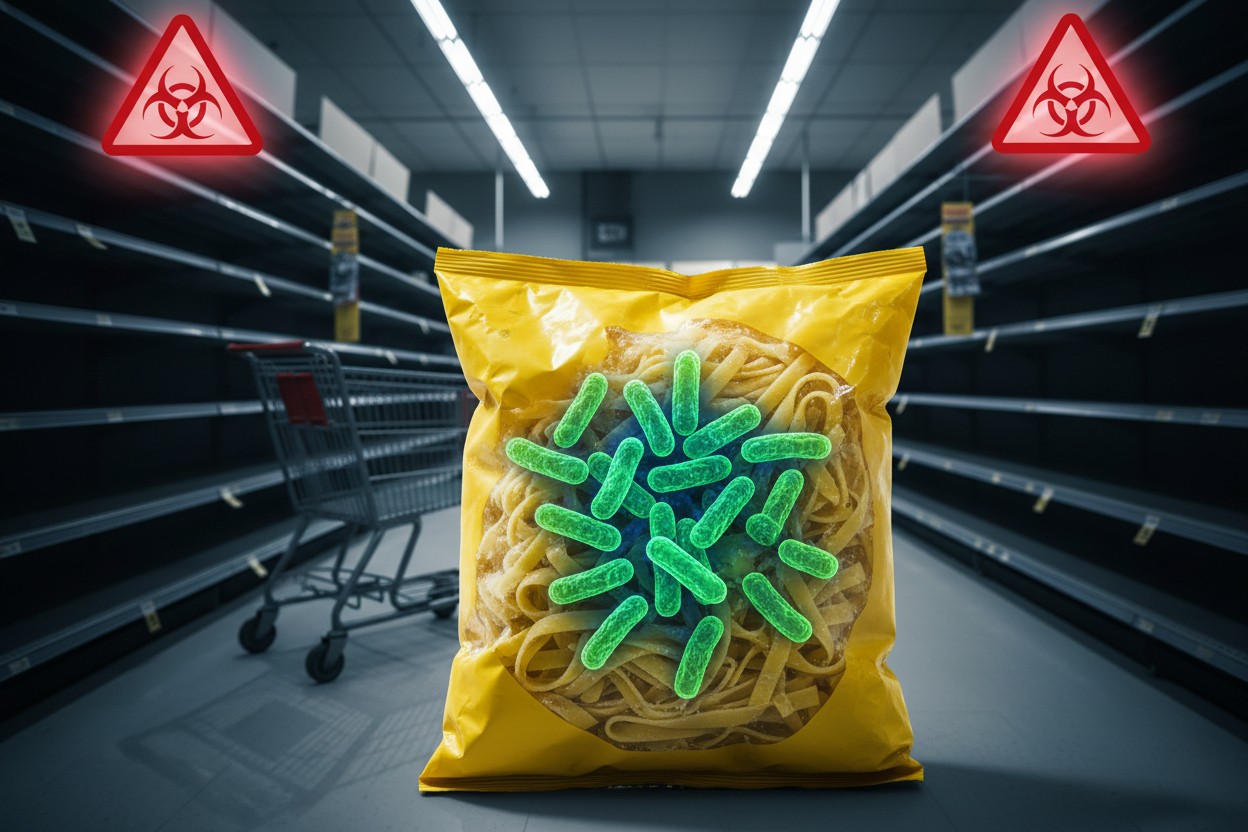
Gias Foods of New York is recalling two lots of bettergoods Authentic Italian Lemon Alfredo Fettuccine over concerns that the frozen pasta may be contaminated with Listeria monocytogenes, according to a recall notice announced by the U.S. Food and Drug Administration.
The product was distributed to Walmart stores nationwide, the notice stated. The recall applies to 22-ounce yellow plastic bags bearing UPC 194346442706 and lot numbers L6079C or L6080C, with expiration dates of September 19 or September 20, 2027 [1].
No illnesses have been reported in connection with the recall. The FDA announced the recall after routine sampling conducted by the Washington State Department of Agriculture and the Florida Department of Agriculture and Consumer Services detected the bacteria in the finished product [1].

Recall Details and Product Identification
Gias Foods has ceased distribution of the product while the FDA and the company continue their investigation into what caused the problem, according to a company press release [1]. Consumers can identify the recalled product by checking three identifiers on the packaging: the UPC number, the lot number, and the expiration date. The recall notice advised that only products matching all of these criteria are subject to the recall [1]. The FDA maintains a public database of food recalls issued in interstate commerce, a function the agency carries out under its authority to ensure the safety and wholesomeness of foods processed and sold across state lines [2].Contamination Findings and Investigation
Gias Foods and the FDA are investigating the cause of the potential contamination, the notice stated. The FDA is the federal agency responsible for inspecting food plants and imported foods and for setting standards for food composition and product labeling [2]. The agency has authority to require that manufacturers, processors, packers, and distributors maintain records identifying the immediate previous source and subsequent recipient of food products [2]. The positive test result on the ready-to-eat pasta is consistent with a pattern of recent food safety incidents linked to Listeria in refrigerated products. A separate multi-state outbreak of Listeria monocytogenes traced to ready-to-eat pasta meals sold at major retailers, including Walmart and Trader Joe's, was linked to four deaths and 19 hospitalizations, according to a report published in October 2025 [3]. Federal health officials have noted that Listeria's resilience in cold environments means that even refrigeration does not eliminate the threat, allowing the bacteria to persist in ready-to-eat foods throughout their shelf life [3].Health Risks Associated with Listeria
Listeria monocytogenes are bacteria that causes listeriosis, according to health officials. While most of the approximately 1,250 Americans infected with listeria each year recover on their own, the infection can cause fever, muscle aches, headache, stiff neck, confusion, loss of balance, and convulsions, sometimes preceded by diarrhea or other gastrointestinal symptoms [1]. The infection can also cause miscarriages and stillbirths among pregnant women, the notice stated. About 250 Americans die of the infection each year, which can occur if the infection spreads beyond the gut and affects the central nervous system [1]. Pregnant women, the elderly, and immunocompromised individuals are at high risk of severe complications, and the illness can progress to life-threatening conditions such as meningitis [4]. Listeria can be found in moist environments, soil, water, decaying vegetation, and animals, and can survive refrigeration and other food preservation measures, according to health officials. Many foods can harbor the bacteria, but it is usually found in unpasteurized milk, soft cheeses, and ready-to-eat foods such as pre-packed sandwiches. Cooked shellfish, cured meats, and fish, including sushi and pre-cut fruit, are also recognized risk sources [1]. Foodborne illnesses caused by pathogens such as Listeria represent a persistent challenge because the bacteria can persist in food production environments and may survive preservation measures designed to inhibit other organisms [5].Company and Regulatory Response; Consumer Guidance
Gias Foods has stopped distribution of the product as the FDA and the company continue their investigation into what caused the problem, the company said in a press release [1]. The company management statement read: 'The company has ceased the distribution of the product as the FDA and the company continue their investigation as to what caused the problem' [1]. The recall follows a series of high-profile food safety events over the past year. In 2025, a Listeria outbreak linked to contaminated ready-to-eat foods from California-based Fresh & Ready Foods hospitalized 10 people in California and Nevada and triggered a nationwide recall [4]. Separately, six deaths and 25 hospitalizations were linked to precooked pasta meals due to a listeria outbreak in November 2025 [6].References
- NTD. "Listeria Fuels National Recall of Walmart Pasta". NTD.com. September 22, 2026.
- Whitney Eleanor Noss. "Understanding nutrition".
- Patrick Lewis. "Food Safety Crisis: Packaged Pasta Recall Expands as Listeria Death Toll Rises, Exposing Gaps in Retailer Oversight". NaturalNews.com. October 3, 2025.
- NaturalNews.com. "Nationwide listeria outbreak linked to recalled sandwiches sparks public health alert". NaturalNews.com. May 14, 2025.
- Elinor Levy and Mark Fischetti. "The New Killer Diseases: How the Alarming Evolution of Germs Threatens Us All".
- 100PercentFedUp. "ALERT: Multiple Deaths Linked To Recalled Pasta Meals". 100PercentFedUp.com. November 4, 2025.
Explainer Infographic

Mastodon
Parler
Gab
Copy
Tagged Under:
USDA FDA food safety pasta contamination listeria food recall foodborne illness badfood badhealth consumer safety real investigations listeriosis clean food watch FDA warning stop eating poison listeria outbreak ready to eat foods Bettergoods Walmart food recall Gias Foods food safety alert Authentic Italian Lemon Alfredo Fettuccine
You Might Also Like

Study Links Early-Life Chemical Mixtures to Childhood Obesity
By Belle Carter // Share

Preprint Study Reports Higher Odds of Multiple Conditions Among Vaccinated Children
By Chase Codewell // Share

Food Safety Becomes Midterm Election Issue After Record Cyclospora Outbreak, Recalls
By Coco Somers // Share

Daily sugary drink linked to higher stomach cancer risk, 30-year study finds
By Willow Tohi // Share

New Report Reveals Data Center Backup Generators Pollute Like Power Plants, Endanger Health
By Iva Greene // Share
Recent News






Popular This Week