Join the movement to end censorship by Big Tech. StopBitBurning.com needs donations and support.
Slippery Elm: Three Reported Health Benefits, Limited Research
By sterlingashworth // 2026-09-29
Mastodon
 Parler
 Gab
Gab Copy
Copy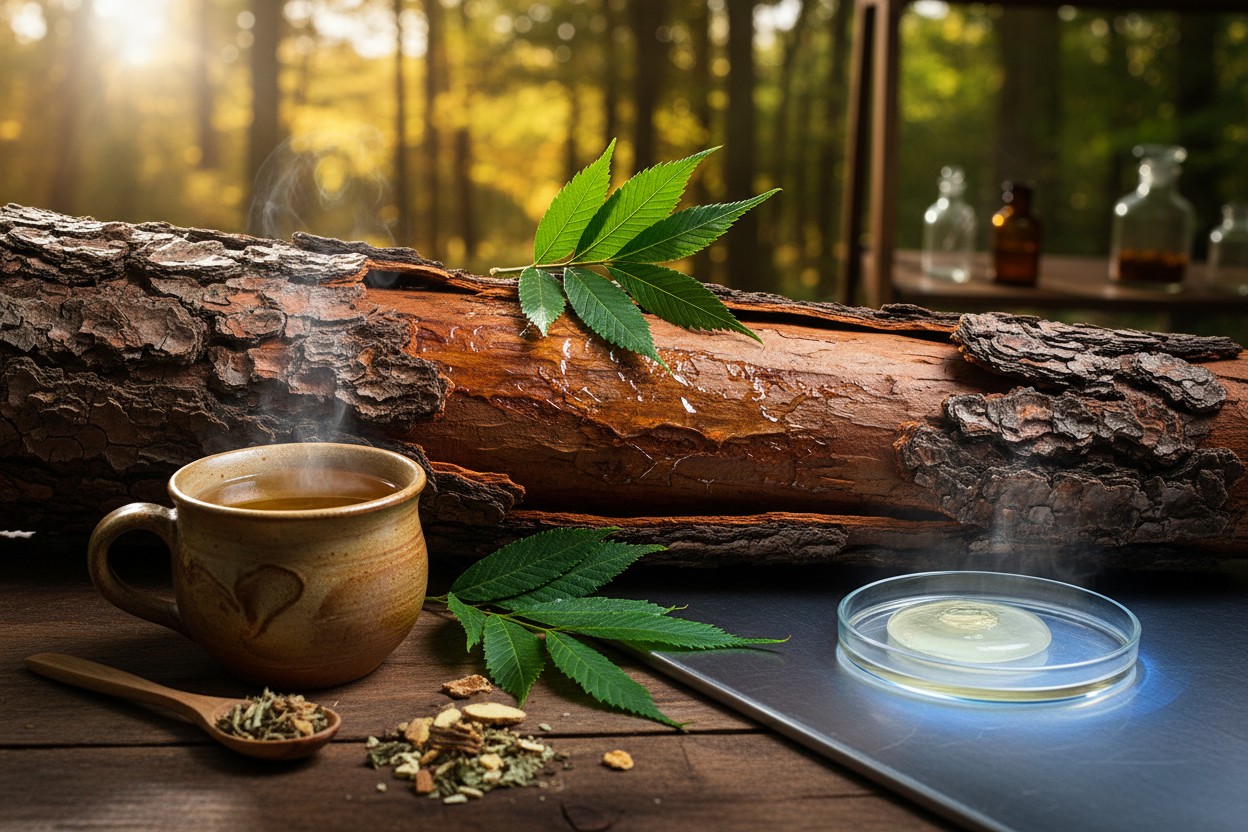
Slippery Elm: Three Reported Health Benefits
Slippery elm, the inner bark of the Ulmus rubra tree, has been used for centuries by Indigenous peoples such as the Cherokee and Ojibwa to treat wounds, sore throat, and digestive issues, according to historical accounts [1]. The tree is also known as red elm, gray elm, or soft elm. When the inner bark is chewed or mixed with water, it forms a slippery gel due to mucilage, a fiber that gives the tree its name [2]. Slippery elm is available in teas, lozenges, capsules, and tinctures. It is frequently combined with other ingredients such as marshmallow root, licorice root, and various fibers in throat and stomach remedies [3]. Despite its long history in traditional medicine, research on its health benefits is limited. Many studies have examined multi-ingredient products rather than slippery elm alone, according to available evidence [3]. Three health benefits are commonly reported: improved digestive symptoms, soothing of cough and sore throat, and treatment of urinary tract infections. For each, clinical evidence remains scarce, and traditional use often outpaces scientific confirmation. The following sections examine what is known and what remains unproven.May Improve Digestive Symptoms
The bark contains fibers and anti-inflammatory substances such as flavonoids and phenolic compounds, according to reports. These compounds may stimulate mucus and saliva production and coat the digestive lining, according to traditional use accounts [2]. When used in combination with other herbs, slippery elm may significantly improve nausea, heartburn, constipation, diarrhea, and gas, according to cited studies [3]. Slippery elm has been used for digestive disorders such as irritable bowel syndrome (IBS), though clinical evidence for its effectiveness remains limited. A review of complementary and alternative medicine in inflammatory bowel disease noted that randomized controlled trials are considered the best evidence, but few such trials have isolated slippery elm as a standalone treatment [4]. No standard clinical trials confirm that slippery elm alone resolves digestive symptoms, researchers said. Proponents point to its demulcent properties, which are believed to soothe irritated mucous membranes. Demulcent herbs rich in mucilage are used to ease heartburn and other digestive conditions [5]. However, the absence of rigorous, placebo-controlled studies on slippery elm alone means its individual effects remain difficult to determine.May Soothe a Cough and Sore Throat
Slippery elm is often found in natural cold and flu products, including teas and cough syrups, according to product labels and industry reports. It may stimulate mucus and saliva production, which can improve a sore throat and soothe irritated airways, according to traditional use accounts [3]. The herb is frequently combined with marshmallow root, licorice root, and various fibers in throat and stomach remedies. A randomized controlled study in the United States on a product containing Chinese licorice (Glycyrrhiza uralensis), slippery elm (Ulmus rubra), and marshmallow root (Althaea officinalis), along with four other herbs, found that it was effective in reducing sore throat and associated difficulties in swallowing. Sixty adults took a teabag four times a day for about seven days, according to the study [3]. Clinical evidence for slippery elm as a standalone cough or sore throat treatment is lacking, and most research involves multi-ingredient products. According to the same source, randomized controlled trials of cough are difficult to assess because the placebo component is thought to be substantial [3]. This means that even in studies showing benefit, the specific contribution of slippery elm cannot be isolated.May Treat Urinary Tract Infections, Traditional Use Only
Native American medicine systems have used slippery elm-based natural remedies for urinary tract infections (UTIs), according to historical accounts. Native American tribes effectively treated ailments with plants like sumac, black gum bark, and slippery elm, and many of these remedies remain viable today, according to a report on ancient healing wisdom [6]. While slippery elm may be effective for improving UTI symptoms, no clinical evidence proves this effect, according to available research. Proponents cite traditional use as supporting evidence, but medical authorities say more study is needed. No human trials have isolated slippery elm as a treatment for UTIs, and its role remains unconfirmed. The lack of clinical evidence is consistent with the broader pattern for slippery elm. A review of complementary and alternative medicine in inflammatory bowel disease noted that while such therapies are commonly used, rigorous evidence is often lacking [4]. For UTIs specifically, no studies were identified in the available sources that tested slippery elm alone.Usage, Dosage, and Safety Considerations
There is no standard or recommended way to use slippery elm; it is best to follow product-specific instructions or a doctor's guidance, according to health officials. There is not enough evidence to recommend an appropriate and effective dose of slippery elm, as most studies have used products containing several ingredients [3]. Slippery elm is generally safe to ingest orally, but the available studies are for multi-ingredient products, not slippery elm alone, the report stated. Slippery elm may need to be avoided during pregnancy and breastfeeding, and it is unknown if it interacts with medications due to limited human research. Because it is high in mucilage, slippery elm may decrease medication absorption; to reduce this risk, take it at least one hour after medications, according to guidance [7]. No reliable evidence confirms safe or unsafe doses in large amounts, and topical use may cause allergic reactions or skin irritation in people with sensitive skin. A case report associated the development of cardiomegaly, pulmonary edema, and profound hypokinesis of the left ventricular posterior wall of a newborn with the ingestion of a product containing slippery elm, according to a toxicology reference [7]. However, the same source noted that similar effects have not been reported following the ingestion of slippery elm tea alone. Consumers should consult product labels or healthcare providers before use, officials said.Conclusion
Slippery elm has traditional uses for digestive relief, throat soothing, and UTI symptoms, but clinical evidence remains limited. Many studies evaluate combination products rather than slippery elm alone, making it difficult to determine its individual effects. Consumers should consult product labels or healthcare providers, and further research is needed to establish efficacy, dosage, and safety, officials said.References
- Ava Grace. "Slippery Elm: A Healing Herb with Ancient Roots and Modern Benefits". NaturalNews.com. May 16, 2025.
- Phyllis A. Balch. "Prescription for Nutritional Healing".
- Tobyn Graeme, Denham Alison, Whitelegg Midge. "The Western Herbal Tradition".
- Robert J. Hilsden and Marja J. Verhoef. "Clinical Trials and Therapeutics: Evaluating the Effectiveness of Complementary and Alternative Medicine in Inflammatory Bowel Disease".
- Laurie Fundukian. "Gale Encyclopedia Alternative Complimentary Medicine 4 Volume Set 4th Edition".
- Evangelyn Rodriguez. "Ancient Healing Wisdom: Rediscovering Native American Remedies". NaturalNews.com. August 26, 2025.
- "Medical Toxicology of Natural Substances". 2008.
Explainer Infographic

Mastodon
Parler
Gab
Copy
Tagged Under:
natural medicine herbal medicine digestion alternative medicine natural health herbs prevention natural cures healing plant medicine naturopathy cures organics remedies anti-inflammatory goodhealth good medicine health science slippery elm bark
You Might Also Like
Study links regular cinnamon consumption to improved brain function, neuroprotection
By Belle Carter // Share

This type of workout may give your brain an unexpected advantage
By Ava Grace // Share


Study Links REM Sleep to Lower Risk of Dementia, Heart Failure and Other Diseases
By Douglas Harrington // Share

Here’s why alcohol-free mouthwash is becoming a popular choice for daily oral care
By HRS Editors // Share
Recent News






Popular This Week