Join the movement to end censorship by Big Tech. StopBitBurning.com needs donations and support.
Beyond the egg: Superior food sources of vitamin D for modern diets
By willowt // 2026-10-09
Mastodon
 Parler
 Gab
Gab Copy
Copy
- Vitamin D deficiency affects one in four Americans, making dietary sources critical for bone and immune health.
- Fatty fish like salmon and trout provide 70-81% of daily vitamin D needs per serving, far exceeding eggs.
- Cod liver oil is the most concentrated source, with one tablespoon providing 170% of the daily value.
- UV-exposed mushrooms offer the only significant plant-based vitamin D option for vegetarians and vegans.
- Plant-based beverages and orange juice provide reliable alternatives for those with limited sun exposure.
The hidden deficiency crisis
Across the United States and regions with limited sunlight, a growing public health concern is coming into focus. Researchers have identified seven foods that deliver significantly more vitamin D than eggs, offering a powerful dietary solution for the one in four Americans—particularly older adults, people with darker skin and those with limited sun exposure—who struggle to maintain adequate levels of this essential nutrient. As modern lifestyles keep people indoors and sunscreen use limits natural vitamin D production, dietary sources have become essential for maintaining bone strength, immune function and overall health.The problem with eggs alone
Eggs remain a familiar breakfast staple, offering about 40 to 50 international units of vitamin D per yolk. But relying on eggs alone leaves most adults far short of the recommended 600 to 800 IUs needed daily. With deficiency rates climbing amid indoor lifestyles and northern latitudes, nutrition experts emphasize that better food sources exist and should be incorporated into daily diets.Fish: Nature’s vitamin D powerhouses
Fatty fish dominate the list of natural vitamin D sources. A three-ounce serving of cooked rainbow trout provides 645 IUs, or 81% of the daily value. Salmon delivers 570 IUs per serving, covering 71% of daily needs. Both fish also supply omega-3 fatty acids, which support heart health and reduce inflammation. Sardines, often overlooked, pack 12% of the daily value in just four small fish, along with calcium and B12. Canned light tuna offers 269 IUs per serving, though consumers should monitor mercury intake and limit consumption accordingly.Cod liver oil: The supplement-food hybrid
A single tablespoon of cod liver oil contains 1,360 IUs of vitamin D, far exceeding any whole food source. However, this potent oil also delivers high levels of vitamin A, which can accumulate to toxic levels. Health experts recommend limiting intake to less than one teaspoon daily to avoid headaches and nausea associated with vitamin A overload.Mushrooms: The plant-based breakthrough
Mushrooms stand alone as the only plant-based food that can naturally produce vitamin D. When exposed to ultraviolet light, mushrooms synthesize vitamin D2, the same process human skin uses to produce D3. UV-exposed maitake mushrooms can contain over 2,000 IUs per three-ounce serving. But most store-bought mushrooms are grown in darkness and lack significant vitamin D unless specially treated.Who needs these foods most
Certain populations face elevated deficiency risk. Breastfed infants require supplementation because breast milk lacks adequate vitamin D. Older adults experience reduced skin synthesis and absorption. People with darker skin produce less vitamin D from sunlight due to melanin levels. Those with inflammatory bowel disease, celiac disease, or Crohn’s disease struggle with nutrient absorption. And individuals living in northern latitudes or spending minimal time outdoors remain vulnerable year-round.The calcium connection
Vitamin D’s primary role involves calcium absorption for bone health. Without sufficient vitamin D, the body cannot effectively use calcium, increasing osteoporosis risk. Adults aged 19 to 50 need 1,000 milligrams of calcium daily, while those over 50 require 1,000 to 1,200 milligrams. Pairing vitamin D-rich foods with calcium sources maximizes skeletal benefits.A strategic approach to vitamin D
The evidence is clear: eggs alone cannot meet most adults’ vitamin D needs, nor should they. By incorporating fatty fish twice weekly, choosing plant-based alternatives and considering UV-exposed mushrooms, individuals can significantly improve their vitamin D status. For those at high risk, supplements remain a safe and effective option, but food sources offer additional nutrients that pills cannot replicate. As sunlight becomes an increasingly unreliable source, these seven food categories represent the most practical path to maintaining adequate vitamin D levels for bone strength, immune function and long-term health. Sources for this article include: Health.com Healthline.com GoodRx.comMastodon
Parler
Gab
Copy
Tagged Under:
superfoods nutrition eggs vitamin D nutrients natural health food science tips organics mushrooms food cures Cod liver oil fatty fish food is medicine goodhealth goodfood grocery cures health science
You Might Also Like
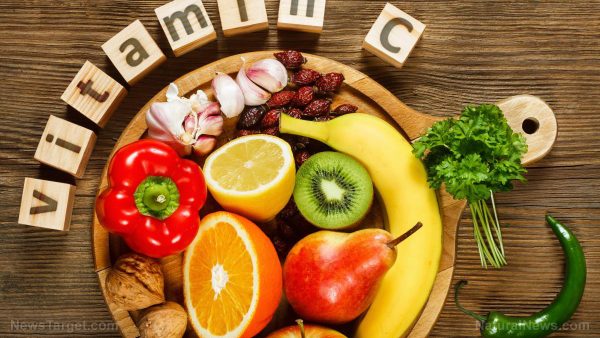
From within: Research reveals diet, not creams, may be the true key to firmer skin
By Ava Grace // Share
Review Suggests Pistachios May Support Sleep, But Human Trials Needed
By Coco Somers // Share

The wonder of catnip: A plant with surprising benefits for human health and wellness
By Laura Harris // Share


Exercise Physiologist Shares 5 Tips to Burn Calories While Walking
By Petra Stone // Share

Recent News
Beyond the egg: Superior food sources of vitamin D for modern diets
By willowt // Share



Epidemiologist says the CDC’s flu shot numbers rest on a flawed study design
By isabelle // Share

By healthranger // Share

The Real Cost of Oil: How War and Deception Are Fueling a Global Energy Crisis
By healthranger // Share
Popular This Week