 Parler
 Gab
Gab Copy
Copy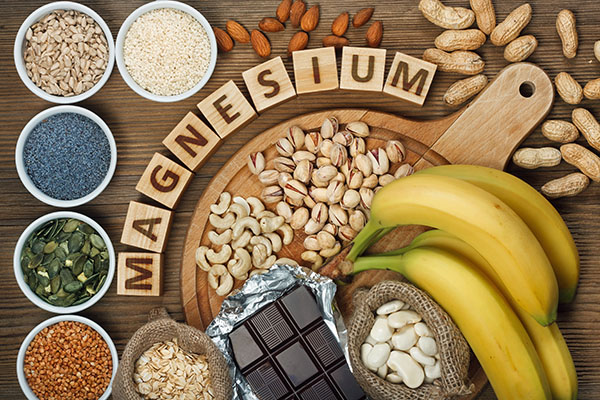
- Magnesium is required for over 300 biochemical reactions in the human body.
- Most Americans are deficient due to processed food diets and depleted soil.
- Dark leafy greens, nuts, seeds, and whole grains provide abundant natural magnesium.
- Preparation methods such as soaking legumes improve mineral absorption.
- Pairing magnesium rich foods with other nutrients boosts bioavailability.
The cellular truth about magnesium and organ function
The medical establishment rarely talks about the raw mechanics of how magnesium operates at the cellular level. Every cell in your body contains mitochondria, the tiny power plants that generate energy. Magnesium is the key that unlocks the door for adenosine triphosphate, or ATP, the molecule that stores and transports energy inside cells. Without sufficient magnesium, your mitochondria struggle to produce energy. This is why fatigue is often the first sign of deficiency. Your cells are literally suffocating for fuel. Magnesium also governs the electrical activity of your heart. It helps regulate the flow of calcium and potassium across cell membranes, a process that determines how your heart muscle contracts and relaxes. When magnesium levels drop, heart rhythm disturbances follow. The mineral also relaxes the smooth muscles lining your blood vessels. This natural vasodilation effect is why adequate magnesium intake correlates with healthier blood pressure readings. Your kidneys, your bones, and even your brain rely on magnesium for optimal function. The mineral supports the synthesis of neurotransmitters such as serotonin, which influences mood and sleep. Yet the soil that grows our food has been depleted of magnesium for decades. Industrial farming practices, chemical fertilizers, and acid rain have stripped the mineral content from cropland. A study published in the Journal of the American College of Nutrition found that vegetables grown in 1999 contained significantly less magnesium than those grown in 1950. The official story rarely mentions this inconvenient truth. You are not just eating less magnesium. You are eating food that never had enough magnesium to begin with.10 powerful ways to make magnesium work for your body
The following methods are not theories. They are proven strategies that use everyday foods to flood your cells with bio-available magnesium. 1. Lightly cook your spinach instead of eating it raw One cup of cooked spinach delivers 157 milligrams of magnesium, which covers 37 percent of your daily requirement. Cooking reduces the volume of leafy greens, allowing you to eat more of them. It also breaks down oxalic acid, a compound that can bind to magnesium and block absorption. Steam or sauté your spinach lightly for maximum benefit. 2. Soak your legumes before cooking them Lima beans, black beans, and chickpeas contain phytic acid and other molecules that inhibit magnesium absorption. Soaking them overnight in water with a splash of lemon juice or apple cider vinegar neutralizes these anti nutrients. A half cup of cooked lima beans provides 63 milligrams of magnesium, about 15 percent of your daily value, and soaking ensures your body actually uses it. 3. Eat pumpkin seeds as your go to snack Pumpkin seeds are not just a topping. They are a magnesium powerhouse. A single ounce provides 154 milligrams of the mineral, which is 37 percent of your daily value. Eat them raw or lightly roasted. Avoid heavily salted versions that can throw off your electrolyte balance. The zinc in pumpkin seeds also supports your immune system, making this a dual purpose food. 4. Pair bananas with peanut butter for a magnesium boost A medium banana contains 32 milligrams of magnesium. Spreading peanut butter on that banana, using peanuts or almonds, adds another 50 to 80 milligrams depending on the portion. This combination also provides healthy fats and protein, which slow digestion and improve mineral uptake. It is a simple snack with powerful cellular impact. 5. Use coconut milk as your base for smoothies and oatmeal One cup of coconut milk delivers 104 milligrams of magnesium, nearly a quarter of your daily requirement. It is also lower in carbohydrates than dairy milk, making it suitable for blood sugar management. Blend it with spinach, banana, and pumpkin seeds for a magnesium rich breakfast that tastes like dessert. Adding an avocado to the smoothie provides approximately 15% of your daily intake of magnesium. 6. Choose amaranth over white rice Amaranth is an ancient grain that most Americans overlook. A half cup of cooked amaranth provides 80 milligrams of magnesium. It also contains more fiber and protein than white rice, which helps stabilize blood sugar and supports heart health. Use it as a base for grain bowls or as a hot cereal in the morning. 7. Snack on Brazil nuts for selenium and magnesium Brazil nuts are dense with nutrients. One ounce provides 107 milligrams of magnesium, about a quarter of your daily value. They are also the richest food source of selenium, a mineral that supports thyroid function and antioxidant defenses. Eat just two to three Brazil nuts per day to avoid selenium toxicity. This is a case where less is more. 8. Spread avocado on whole grain toast Avocado is technically a fruit, and one slice on your sandwich provides about 15 percent of your daily magnesium requirement. Pairing it with whole grain bread adds additional magnesium from the grain. The healthy fats in avocado also improve the absorption of fat soluble vitamins found in other foods you eat alongside it. 9. Add edamame to salads and stir fries Edamame, or immature soybeans, are a complete protein source that also delivers magnesium. A half cup of cooked edamame provides 49 milligrams of the mineral. It also contains calcium, potassium, and iron, making it a nutrient dense addition to any meal. Steam it lightly and toss it with olive oil and sea salt for a quick side dish. 10. Drink a natural electrolyte beverage after exercise Sweating depletes magnesium along with sodium and potassium. Instead of commercial sports drinks loaded with artificial colors and high fructose corn syrup, make your own. Mix coconut milk, a pinch of sea salt, and a squeeze of lemon juice. This natural re-hydration solution restores magnesium levels without the chemical additives that burden your liver. For even better results, find a bottle of mineral salts from the Great Salt Lake in Utah. Many brands are coming to the market. The daily requirement and the truth about supplementation Most healthy adults need between 310 and 420 milligrams of magnesium per day. That number rises during pregnancy and for people with chronic stress, gut issues, or heavy exercise regimens. The foods listed above can easily cover this requirement without a single pill. However, if you notice symptoms of magnesium deficiency such as fatigue, muscle cramps, nausea, or weakness, consult a healthcare provider who understands nutrition. Supplementation may be necessary in some cases, but it should never replace a diet built on whole foods. Sources include: VeryWellHealth.com BrightLearn.ai BrightLearn.ai
The golden years’ nutritional reckoning: Why seven nutrients now matter more than ever
By Ava Grace // Share

China Raises Fuel Price Caps Again as Iran War Keeps Oil Markets on Edge
By Garrison Vance // Share


Ford Just Turned Its CATL Albatross Into a Hyperscaler Goldmine
By Mike Adams // Share

Why Used EV Batteries Are Currently the Cheapest Path to Off-Grid Energy Independence
By Mike Adams // Share

Study: DASH Diet Improves Multiple Markers of Metabolic Syndrome
By Edison Reed // Share

Woman arrested for Facebook post about Texas water crisis fights back
By isabelle // Share

Ten powerful ways to get MAGNESIUM working in your body
By ljdevon // Share

NATO scrambles jets as Swedish leader urges help directing Ukraine’s drones
By isabelle // Share

Ford Just Turned Its CATL Albatross Into a Hyperscaler Goldmine
By healthranger // Share